How To Spot Dental Issues In Your Pet Turtle At Home


How To Spot Dental Issues In Your Pet Turtle At Home
If you share your home with a turtle in North Metro Atlanta, you know how unique and endearing these reptiles can be. But when summer arrives and your turtle’s eating habits change, concerns about mouth health are common. At AnimALL Mobile Veterinary Service, we understand that bringing your turtle to a traditional clinic can be stressful. That’s why our mobile exotic veterinary team provides in-home care throughout North Metro Atlanta and surrounding communities; we come to you, offering a Fear-Free experience designed for turtles and their special needs.
This guide will help you recognize common dental and oral problems in turtles, understand the factors that cause these issues, and know when to reach out to a mobile exotic vet for help. You’ll also find practical advice for checking your turtle’s mouth at home and preventive tips to support long-term health, all without the anxiety of a clinic visit. For those who want extra guidance, our team offers in-home turtle exams and husbandry support tailored to your turtle’s species and lifestyle.
Recognizing Dental and Oral Problems in Turtles
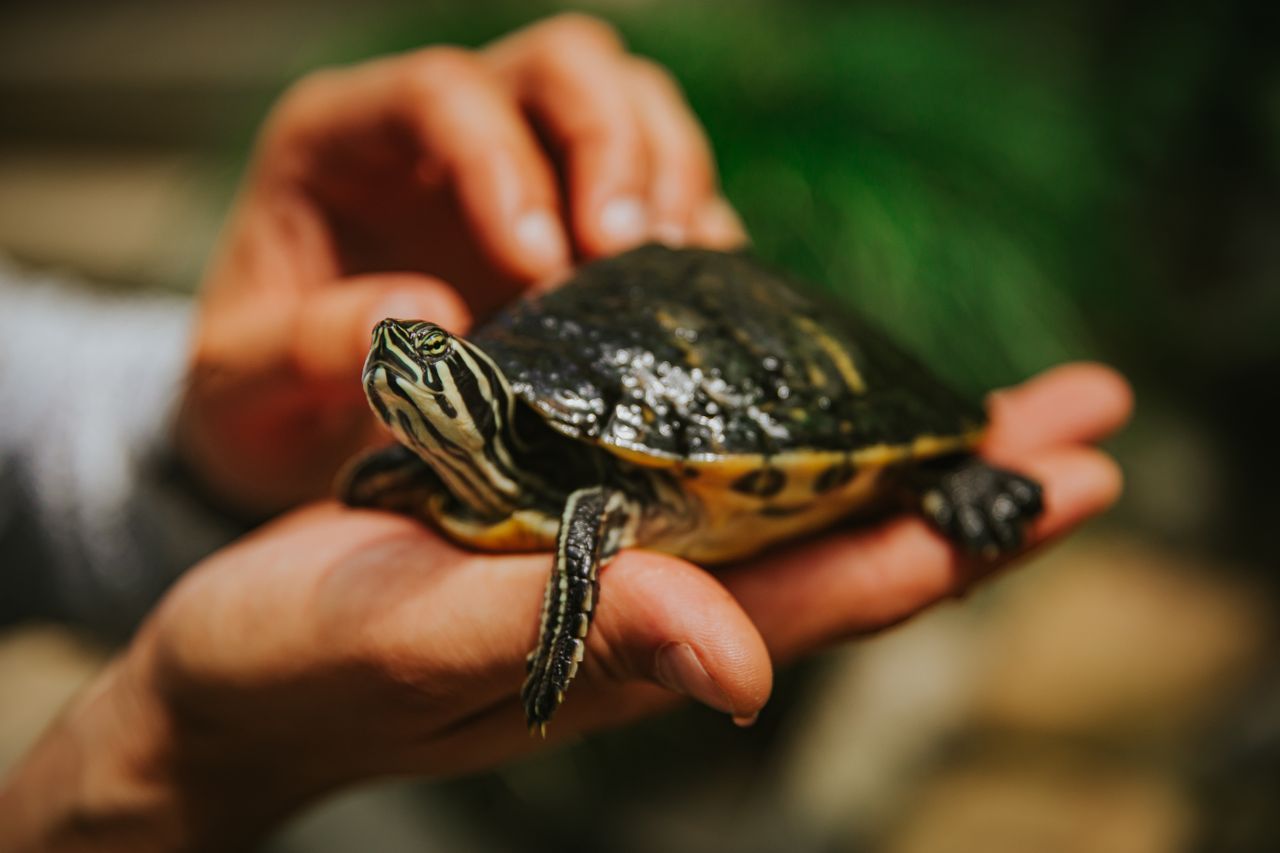
Turtles may not have teeth like mammals, but their beaks (also called the rhamphotheca) and oral tissues are crucial for eating and overall health. Dental and mouth issues can develop quietly, so it’s important to spot subtle signs early. Warning signs of dental or oral trouble in turtles include a sudden decrease in appetite, struggling to grasp or chew food, visible swelling around the mouth, or discharge from the mouth or nose. You might notice your turtle dropping food, favoring soft items, or rubbing its mouth against tank decorations. In some cases, patches of white, yellow, or red tissue may appear on the beak or inside the mouth, signaling possible infection or trauma.
Other signs to watch for are abnormal growths or overgrown beaks, which may cause difficulty closing the mouth properly. If your turtle is breathing with its mouth open, wheezing, or developing bubbles around the mouth or nostrils, these can indicate advanced oral disease or secondary respiratory involvement. Keeping an eye on your turtle’s eating patterns and gently inspecting the mouth during routine care can help you catch these problems before they become severe.
Why Do Turtles Develop Dental and Mouth Issues?
Dental and mouth problems in turtles are often linked to their environment and diet. The most common causes include improper nutrition, such as diets lacking in essential vitamins and minerals, or feeding too many soft foods that do not provide natural wear for the beak. Inadequate exposure to UVB lighting or incorrect humidity levels can also contribute, affecting not just the shell but the health of the mouth tissues as well.
Poor water quality is another significant risk, especially for aquatic species. Contaminated or dirty water can harbor bacteria and fungi that invade the mouth, leading to infections known as stomatitis or “mouth rot.” Overgrown or misshapen beaks are frequently seen in turtles that do not have access to appropriate surfaces to chew on, such as cuttlebone or rough rocks. Additionally, trauma from tank mates, sharp decorations, or even improper handling can result in wounds that become infected.
Turtles kept in North Metro Atlanta may face unique challenges during hot, humid summers. Elevated temperatures can speed up bacterial growth in tanks or enclosures, making oral infections more likely. Understanding the underlying causes helps you make small but meaningful changes to your turtle’s daily care, reducing the risk of dental and mouth issues.
How Mobile Exotic Vets Diagnose and Manage Turtle Dental Problems
When you notice signs of oral disease, a prompt in-home visit from a mobile exotic veterinarian is the best way to get an accurate diagnosis while minimizing your turtle’s stress. During a turtle exam in your home, our veterinarians use gentle, species-appropriate handling to inspect the beak, oral cavity, and overall health. Diagnostic tools may include a close visual exam, swabs for bacterial or fungal cultures, and, if needed, bloodwork or imaging.
Treatment approaches depend on the specific issue. For bacterial or fungal infections, topical or systemic medications are prescribed, sometimes paired with careful beak trimming or cleaning. Overgrown beaks are managed by safely filing or trimming the excess growth, a procedure that should always be performed by a veterinarian to avoid injury. In cases linked to husbandry or dietary deficiencies, our team provides customized advice to correct the underlying conditions, using our knowledge of turtle nutrition and habitat needs.
Pain management, wound care, and ongoing monitoring are often part of the treatment plan. For complex or recurring issues, additional diagnostic testing may be recommended. Our focus is always on providing compassionate, Fear-Free care in the comfort of your home, which helps turtles remain calm and cooperative throughout their examination and treatment.
Home Care and Prevention: Keeping Your Turtle’s Mouth Healthy
Supporting your turtle’s dental health at home starts with routine care and an environment tailored to their species. Provide a balanced diet that matches your turtle’s natural needs, incorporating a mix of leafy greens, vegetables, and, for omnivorous or carnivorous species, appropriate protein sources. Ensuring access to rough surfaces, like cuttlebone or mineral blocks, allows for natural beak wear and reduces the risk of overgrowth.
Maintain clean, filtered water for aquatic turtles, changing it regularly to prevent buildup of harmful bacteria. For all species, make sure enclosures offer proper UVB lighting, stable humidity, and safe enrichment items that cannot cause trauma. Observe your turtle’s eating habits and look for changes in appetite, chewing, or mouth appearance. Gently lift your turtle and inspect the mouth every few weeks, watching for discoloration, swelling, or foul odors.
If you have questions about your turtle’s diet or enclosure, our veterinary team offers turtle care counseling to help you optimize every aspect of their environment. Proactive care and early intervention are key to preventing most dental and oral problems.
When Should You Contact a Mobile Exotic Vet?
Some dental and oral issues in turtles can worsen quickly if not treated. You should seek veterinary care if your turtle:
- Stops eating for more than a day or two
- Shows visible swelling, bleeding, or pus in or around the mouth
- Develops a beak that appears too long, crooked, or cannot close
- Has foul-smelling breath or discharge from the mouth or nose
- Begins breathing with the mouth open or shows signs of labored breathing
- Experiences a sudden change in behavior, such as lethargy or hiding
Early intervention not only resolves discomfort but can prevent complications that threaten your turtle’s life. At AnimALL Mobile Veterinary Service, our mobile model means you do not have to transport your turtle or expose them to the stress of a waiting room. We bring the expertise, diagnostic tools, and compassion of a full-service exotics practice right to your home in North Metro Atlanta and nearby communities.
If you’re worried about your turtle’s mouth, our veterinarians can perform diagnostic testing for turtles at home, ensuring a thorough evaluation without added stress. For sick or injured turtles, prompt veterinary care can make all the difference.
Keeping Your Turtle Comfortable: The AnimALL Mobile Veterinary Difference
Dental and mouth problems can be distressing for both turtles and their owners, but you do not have to face these challenges alone. With AnimALL Mobile Veterinary Service, you receive expert, Fear-Free care in the comfort of your home, tailored to the unique needs of your reptile companion. Our commitment to in-home service means less stress for your turtle and more convenience for you.
Whether you need help with a specific concern or want to schedule a routine turtle exam, our veterinary professionals are here to support your turtle’s health every step of the way. If you are searching for a mobile vet near me in the North Metro Atlanta area, look no further than our compassionate mobile veterinary team.
If you notice any signs of dental disease or have questions about your turtle’s care, reach out to AnimALL Mobile Veterinary Service for friendly, professional support. Call (770) 766-4858 or visit our website to schedule your in-home appointment. With the right knowledge and the support of our mobile exotics team, you can help your turtle thrive for years to come.
This blog is intended for educational purposes only and does not replace professional veterinary care. Always consult a qualified exotic veterinarian for specific concerns regarding your turtle’s health.