Spring Health Checklist for Exotic Pets at Home



Spring Health Checklist for Exotic Pets at Home
Spring in North Metro Atlanta brings warmer temperatures, longer days, and plenty of changes to your home environment—many of which can affect the health and comfort of your exotic pets. Whether you share your home with birds, reptiles, rabbits, guinea pigs, ferrets, or other unique companions, spring is the perfect time to refresh your animal’s wellness routine and address seasonal health needs. AnimALL Mobile Veterinary Service is dedicated to making exotic pet care as convenient and stress-free as possible. Our veterinary team brings compassionate, species-specific care directly to your door, so you can support your bird, reptile, or small mammal’s health in the comfort of your own home.
In this spring health checklist, we’ll cover the most important areas to focus on for your exotic pets during April and beyond. You’ll discover how to recognize early signs of seasonal health problems, learn about common springtime risks, explore practical home care tips, and find out when it’s time to call in expert help. From improving husbandry to keeping up with annual wellness examinations, our goal is to empower you with knowledge—and provide mobile veterinary support whenever you need it in North Metro Atlanta and surrounding communities.
Recognizing Springtime Health Risks in Exotic Pets
As temperatures rise and daylight hours shift, exotic animals can experience a range of health changes. Spotting early warning signs is essential for preventing minor issues from turning into bigger problems. The symptoms to watch for will vary depending on the species, but there are some common patterns that often emerge in spring.
For birds, you may notice increased molting, changes in vocalization, or shifts in energy levels. Some birds become more active and vocal as breeding season approaches, while others might show signs of stress if their environment is not adjusted to the season. Respiratory symptoms such as sneezing, nasal discharge, or tail bobbing can also indicate illness, especially as windows are opened and pollen counts rise.
Reptiles, including lizards, turtles, and non-venomous snakes, often experience changes in appetite and activity as they emerge from winter’s cooler conditions. Watch for signs like decreased eating, lethargy, abnormal shedding, or skin lesions. Respiratory distress, such as open-mouth breathing or wheezing, is a red flag in reptiles and should never be ignored.
Small mammals—including rabbits, guinea pigs, chinchillas, ferrets, hamsters, and gerbils—may also be affected by seasonal changes. Look for signs such as sneezing, watery eyes, unusual hair loss, or changes in grooming habits. Some animals may develop allergies to pollen or suffer from heat stress as temperatures climb. If your pet’s behavior, appetite, or appearance suddenly shifts, it’s time to take notice.
Why Do Spring Health Problems Happen in Exotic Pets?
Spring is a time of transition—not just for people, but for the animals in our homes. Many exotic species have natural cycles tied to temperature, humidity, and daylight, which means their bodies react to seasonal changes. Understanding these patterns helps prevent problems and ensures your animal stays healthy.
Birds often become more hormonally active as spring arrives. Increased sunlight triggers breeding behavior, which can lead to egg-laying in females, territorial aggression, or feather plucking. Dust and pollen entering through open windows can worsen respiratory issues, particularly for species sensitive to air quality.
Reptiles are ectothermic, meaning they rely on external heat sources to regulate their body temperature. In spring, fluctuating temperatures and humidity can cause stress, disrupt digestion, or lead to improper shedding. Mold growth in enclosures, changes in UV lighting needs, and the temptation to move animals outdoors without proper acclimation can all contribute to health risks.
Small mammals are often sensitive to temperature swings, drafts, and allergens. Rabbits and guinea pigs, for example, can quickly overheat if their living space warms up too fast. Chinchillas require cool, dry environments year-round and may develop skin or respiratory issues if humidity increases. Ferrets may shed more heavily in spring, which can cause hairballs or gastrointestinal blockages if not managed properly.
Professional Veterinary Care: What to Expect from In-Home Exotic Pet Services
Regular veterinary care is vital for keeping exotic pets healthy—especially during seasonal transitions. AnimALL Mobile Veterinary Service offers comprehensive, species-specific services right at your doorstep, making it easier than ever to maintain your animal’s wellness.
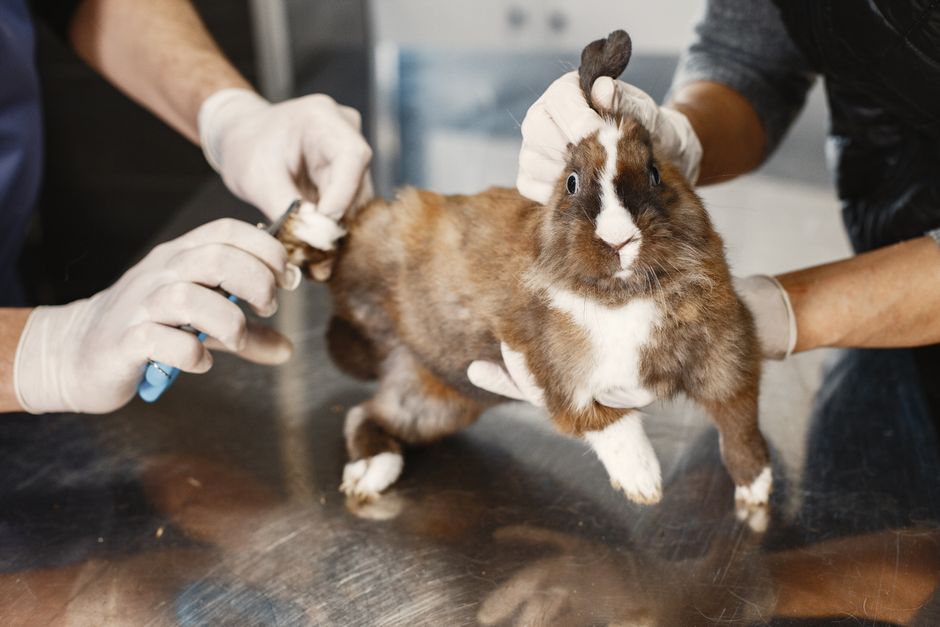
During an in-home visit, our veterinary professionals perform thorough physical examinations tailored to your animal’s species and unique needs. For birds, this might include a detailed avian physical examination, nutritional counseling, and guidance on husbandry improvements. Reptile exams focus on body condition, skin and scale health, and enclosure setup, such as lizard physical exams and mobile turtle exams. Small mammal checkups may include dental assessments, parasite screening, and dietary recommendations, as seen with rabbit physical exams or guinea pig physical examination.
Our veterinary team is equipped to provide preventive care, diagnostics, vaccinations (where appropriate), and husbandry counseling for a wide variety of exotic species. We also offer telemedicine consultations for follow-up questions or minor concerns, so you can get expert advice without leaving home. All care is delivered with a gentle, Fear-Free approach—minimizing stress for both you and your animal.
Springtime Home Care Tips for Exotic Pets
Supporting your animal’s health during spring starts with attentive daily husbandry and small seasonal adjustments. Creating a safe, comfortable environment is the foundation of wellness for exotic pets.
For birds, ensure their enclosure is in a draft-free area, away from open windows where sudden temperature changes or pollen can enter. Keep their space clean, offer daily fresh water, and provide a balanced diet with increased greens and vegetables if recommended. Monitor for hormonal behavior and avoid excessive petting or nesting materials that might encourage egg-laying unless you are prepared for breeding. If you have questions about diet, avian nutrition help is available.
Reptile owners should check that all heating and lighting elements are functioning properly as the season changes. Adjust basking temperatures to suit the species, monitor humidity levels, and be vigilant about cleaning enclosures to prevent mold or bacterial buildup. If your reptile is shedding, ensure they have access to adequate humidity and rough surfaces to help with the process. Bringing your animal outdoors for natural sunlight can be beneficial, but always supervise closely and avoid direct exposure during peak heat.
Small mammals need well-ventilated, cool living spaces free from direct sunlight or excessive warmth. Replace bedding regularly and watch for signs of heat stress, such as rapid breathing or lethargy. Rabbits, guinea pigs, and chinchillas should have access to fresh hay and clean water at all times; dietary enrichment with leafy greens is ideal for many species. Groom long-haired breeds frequently to prevent matting and reduce hair ingestion during seasonal sheds.
Across all species, spring is an ideal time to review your animal’s overall husbandry and make improvements where needed. Our team at AnimALL Mobile Veterinary Service offers husbandry counseling to help you identify opportunities for better care and prevention.
When to Seek Veterinary Help for Your Exotic Pet
While attentive home care can prevent many seasonal problems, some situations require prompt professional attention. Recognizing when to call for help is essential for your animal’s safety.
For birds, signs that warrant a veterinary visit include labored breathing, persistent sneezing, unexplained feather loss, changes in droppings, or a sudden drop in activity. Egg binding, where a female is unable to lay an egg, is an emergency that requires immediate intervention.
Reptile owners should seek veterinary care if their animal displays open-mouth breathing, wheezing, inability to shed, sudden loss of appetite, or abnormal swelling. Wounds, burns from heating elements, and signs of infection such as redness or discharge also require urgent assessment.
Small mammals should be examined if they develop diarrhea, stop eating or drinking, have difficulty breathing, or exhibit lethargy for more than a few hours. Dental problems—such as drooling, reluctance to eat, or visible malocclusion—are common in rabbits, guinea pigs, and chinchillas and should be evaluated promptly.
If you notice any sudden or severe changes in your animal’s health or behavior, contact our veterinary team for guidance. Our in-home services allow for rapid assessment and treatment in a familiar, low-stress environment.
Supporting Your Exotic Pet’s Health with AnimALL Mobile Veterinary Service
Spring is the perfect time to refresh your approach to exotic animal care. By staying attentive to seasonal changes, providing excellent daily husbandry, and scheduling regular wellness evaluations, you can help your bird, reptile, or small mammal thrive.
At AnimALL Mobile Veterinary Service, we are dedicated to making exotic pet care easy and accessible for families throughout North Metro Atlanta and surrounding communities. Our in-home visits reduce stress for your animal, while our species-specific expertise means you always receive tailored advice and support. If you are searching for a “mobile vet near me” who understands the unique needs of exotic animals, our veterinary professionals are here to help.
To schedule a spring wellness visit, request species-specific care, or get advice on home care, contact our team at (770) 766-4858 or visit us online. You can also learn more about our exotic pet medicine services and explore additional wellness options like preventative care and wellness plans.
Your animal’s comfort and health are our top priorities. Let AnimALL Mobile Veterinary Service help make this spring your exotic pet’s healthiest yet—all from the comfort of your home.