Exotic Pet Wellness Exams at Home: What Rabbits, Guinea Pigs, and Birds Really Need


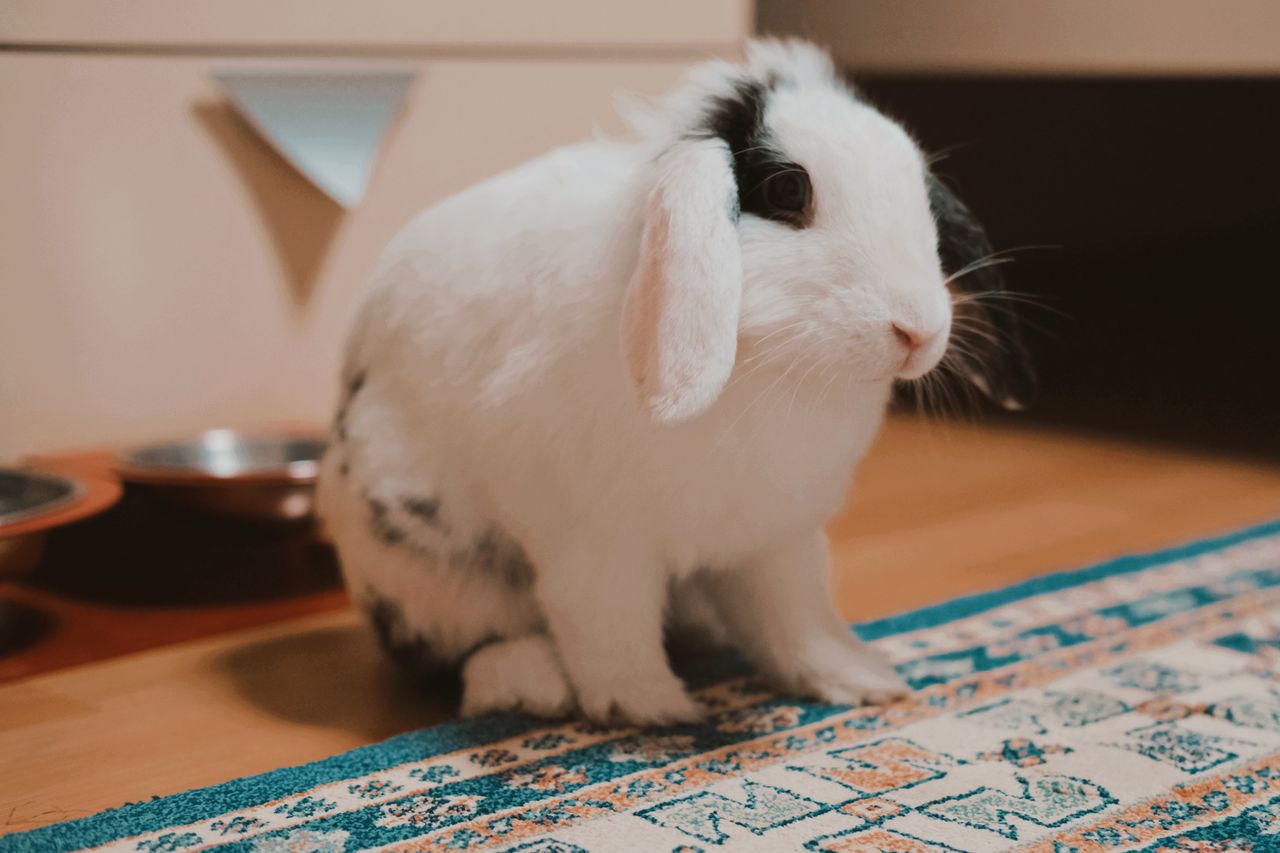
Most exotic pets are very good at looking fine right up until they are not. Rabbits, guinea pigs, and birds are prey animals, and quietly hiding weakness is exactly how their wild relatives avoid becoming someone's dinner. In your living room that same instinct works against you, because a genuinely sick pet can act completely normal until the problem is well along. A regular exotic pet wellness exam is how we find those quiet changes early, and doing it at home in North Metro Atlanta takes away the travel stress that makes these species even harder to read.
I am Dr. Colleen Roman, and species-specific exotic medicine is the heart of what I do at AnimALL Mobile Veterinary Service. Here is how I think about wellness care for the small, feathered, and furry patients who cannot tell us when something feels off.
Quick answers
- Rabbits, guinea pigs, and birds hide illness by instinct, so problems are often advanced by the time you notice them.
- Most healthy exotic pets should have a wellness exam once a year, and seniors or pets with a known condition should be seen every six months.
- An in-home exam lets me weigh your pet precisely, assess it calmly, and look at the actual habitat and diet that shape its health.
What is an exotic pet wellness exam?
An exotic pet wellness exam is a nose-to-tail physical check for a pet that is not visibly sick. The goal is to record what healthy looks like for your individual animal and to catch small changes before they turn into a crisis. It is preventive care, not sick care, and it is the single best tool we have for animals that are wired to conceal illness.
During a wellness visit I build a baseline: an exact weight, a body condition score, and notes on the coat or feathers, eyes, ears, nose, mouth, heart, lungs, and abdomen. That baseline is what makes the next visit so valuable, because a rabbit that has dropped even a few percent of its body weight is telling me something long before an owner could see it.
Why do rabbits, guinea pigs, and birds hide illness?
They hide illness because they are prey species, and appearing weak in the wild invites a predator. Veterinarians call this the masking phenomenon, and it is one of the biggest reasons exotic pets end up in trouble. According to LafeberVet, many exotic mammals and birds instinctively conceal signs of disease until they physically cannot anymore, which means that by the time symptoms are obvious the underlying condition is usually well advanced.
New exotic owners are often surprised by how normal a sick pet can look. A guinea pig can be eating less, losing weight, and developing a respiratory infection while still greeting you at the cage bars. A parrot can be seriously ill and still perch, preen, and step up on cue. Waiting for clear symptoms is not a safe plan with these animals, and that is precisely why routine wellness exams matter more for exotics than for many dogs and cats.
How often should exotic pets have a wellness exam?
Most healthy small mammals and birds should have a wellness exam at least once a year, and seniors or any pet with an ongoing health issue should be seen every six months. Twice-yearly checks make sense for older animals because a year is a long stretch in the life of a rabbit, guinea pig, or small bird, and a lot can change quietly in that time.
If you have just brought home a new exotic pet, an early wellness visit is a smart first step even if the animal seems perfectly healthy. It gives me a baseline while your pet is well, lets us review the setup and diet before small mistakes cause problems, and helps you learn what is normal for your particular species.
What happens during an in-home exotic wellness exam?
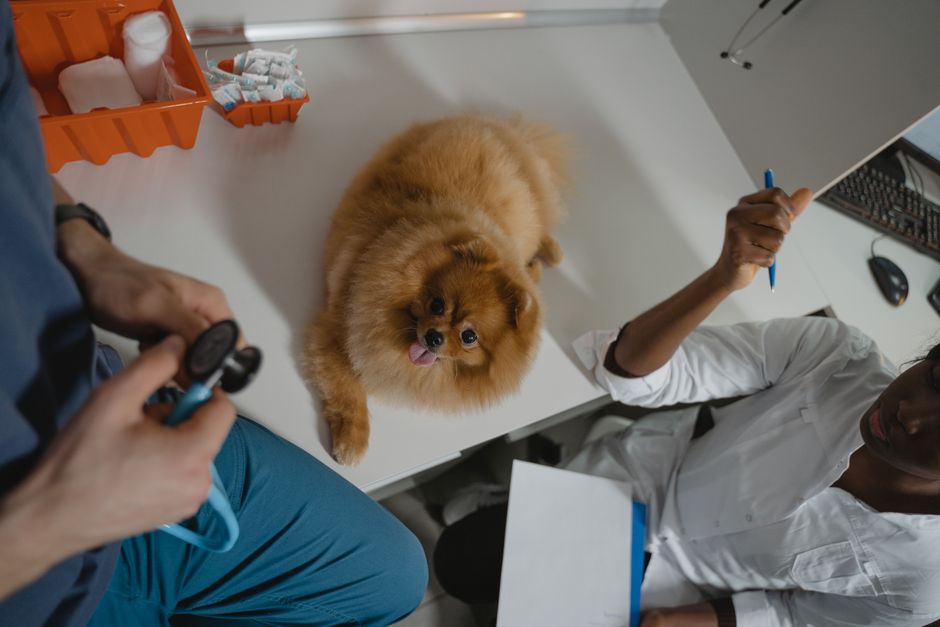
During an in-home wellness exam I do a full hands-on physical, then review the two things that drive most exotic health, husbandry and diet. The physical starts with an exact weight, because weight trends are one of the most sensitive early warning signs we have in small animals. From there I assess body condition, feel the abdomen, check hydration, look at the eyes, ears, and nose, and listen to the heart and lungs.
I also examine the mouth and teeth, since rabbits, guinea pigs, and chinchillas have teeth that grow continuously and can develop painful problems. If I find dental disease that needs correction under anesthesia, that work belongs at a full-service hospital, and I will explain what I am seeing and help you plan the next step. For feathered patients I look closely at feather condition, the beak and nails, and breathing, all of which tell me a great deal about how a bird is really doing.
Then we talk. I review the enclosure, lighting, bedding, and daily diet, discuss parasite prevention where it applies, and answer your questions. You leave the visit understanding your pet's health, which is the whole point.
Why do an exotic wellness exam at home instead of a clinic?
An at-home wellness exam is calmer, often more accurate, and gives me information a clinic visit cannot. Transport is genuinely stressful for prey species, and a frightened rabbit or bird arrives at a clinic with an elevated heart rate and rapid breathing that can mask or mimic real findings. Examining your pet in its own space, using low-stress Fear Free handling, gives me a truer picture of its baseline.
Seeing the habitat in person is the other big advantage. So much of exotic health comes down to the setup, and when I can look at the actual cage, the lighting, the bedding, and the food bowl, I can give you specific, practical advice instead of general guidance. For many families in North Metro Atlanta, skipping the carrier and the car ride is also simply kinder to a nervous pet.
What can a wellness exam catch early in each species?
A wellness exam catches the slow, quiet problems that these species are built to hide, and the specifics differ by animal. Knowing what I watch for can help you spot the same changes between visits.
For rabbits, I pay close attention to weight, appetite, stool output, dental wear, and the bottoms of the feet, because subtle shifts here often point to bigger issues. For guinea pigs, I watch weight, dietary vitamin C, dental health, and any early respiratory signs, since guinea pigs are prone to both dental and respiratory disease. For birds, I focus on weight, feather and skin condition, the beak and nails, and respiratory effort, all of which reflect nutrition and overall health. In every case, the earlier we see a change, the more options we have.
Interested in learning more?
You can read about our exotic pet medicine services, our approach to mobile vet care for exotic pets, and why families choose a mobile veterinarian. We serve Alpharetta, Buford, Cumming, Duluth, Dunwoody, Johns Creek, Lawrenceville, Peachtree Corners, Roswell, Sugar Hill, and Suwanee.
Frequently asked questions
How often should my rabbit or guinea pig see a vet?
Most healthy rabbits and guinea pigs should have a wellness exam once a year, and seniors or pets with a known condition should be seen every six months. Because these animals hide illness, yearly checks catch problems that would otherwise stay invisible until they are serious.
Do healthy exotic pets really need a checkup?
Yes. Exotic pets are prey species that instinctively mask illness, so a pet that looks healthy can still have an early problem. A wellness exam builds a baseline while your pet is well and catches small changes before they become emergencies.
What does an in-home exotic wellness exam include?
It includes an exact weight, a full physical exam, a mouth and dental check, and a review of the habitat and diet. For birds it also covers feather condition, the beak and nails, and breathing. You finish the visit with a clear picture of your pet's health and a plan.
Do you treat birds and small mammals at home in North Metro Atlanta?
Yes. AnimALL Mobile Veterinary Service provides in-home wellness care for birds, rabbits, guinea pigs, and other exotics across North Metro Atlanta, including Alpharetta, Cumming, Buford, and the surrounding communities.
Is an at-home visit less stressful for my exotic pet?
For most prey species, yes. Skipping the carrier and car ride and using calm, Fear Free handling in your pet's own space reduces the stress that can both frighten your pet and skew exam findings.
A calmer way to stay ahead of illness
The animals who hide illness best are the ones who benefit most from routine care, and that is the whole case for exotic pet wellness exams. A yearly visit, done at home where your pet feels safe, turns guesswork into a plan and gives you the chance to act early rather than react late. If you would like a species-specific wellness exam for your rabbit, guinea pig, bird, or other exotic pet in North Metro Atlanta, our team is here to help. You can reach out to AnimALL Mobile Veterinary Service or call us at (770) 766-4858.