Preventing Common Health Issues in Exotic Pets This Fall


Preventing Common Health Issues in Exotic Pets This Fall
As autumn arrives in North Metro Atlanta, many exotic pet owners begin to wonder how the changing weather and shorter days might affect their birds, reptiles, small mammals, or even backyard poultry. While fall brings cooler temperatures and less humidity, these seasonal shifts can present unique challenges for the health and comfort of exotic species. At AnimALL Mobile Veterinary Service, we understand how important it is to provide expert, species-specific care right in the comfort of your home, especially when it comes to preventing seasonal illnesses and stress in exotic pets. By bringing veterinary services directly to your door, our team helps minimize travel anxiety and environmental stress for your animals—allowing for a calm, thorough examination in familiar surroundings.
In this guide, we will explore the most common fall health issues seen in exotic pets across North Metro Atlanta and surrounding communities. You will learn how to recognize early signs of illness, understand the factors that contribute to seasonal problems, and discover practical, vet-approved steps for prevention and care. We will also discuss when to reach out for mobile veterinary support and how AnimALL Mobile Veterinary Service can provide convenient, in-home solutions tailored to your animal’s needs. If you are searching for trustworthy, at-home exotic pet care, our mobile team is ready to help you safeguard your animal’s health this season and beyond.
Recognizing Fall Health Concerns in Exotic Pets
As the seasons change, exotic animals—from parrots and cockatiels to bearded dragons, rabbits, ferrets, and guinea pigs—may begin to show subtle signs of stress or illness. Recognizing these signs early is crucial, as exotic species often mask their symptoms until a condition becomes advanced.
For birds, key symptoms to watch for include sneezing, nasal or eye discharge, fluffed feathers that persist for hours, changes in vocalization, or a sudden drop in activity level. Reptiles such as lizards, snakes, and turtles may become lethargic, stop eating, develop respiratory noises, or show changes in their skin or shell condition. Small mammals like rabbits, guinea pigs, and ferrets can present with runny eyes or noses, reduced appetite, diarrhea or constipation, or changes in grooming behavior. Poultry kept as pets may develop ruffled feathers, a drop in egg production, or respiratory sounds.
As the weather cools, be aware of temperature fluctuations in your home. Drafts, cold windowsills, or poorly heated enclosures can cause discomfort or illness, particularly for tropical species. Other signs that your animal may be struggling with the fall transition include seeking heat sources, increased hiding, or a general lack of interest in food or enrichment. If you notice any of these behaviors, it is important to monitor your animal closely and consult your mobile veterinary team to address concerns before they escalate.
Why Do Exotic Pets Face Health Risks in the Fall?
Autumn in North Metro Atlanta brings dropping temperatures, lower humidity, and fluctuating daylight hours. For exotic pets, especially those native to tropical or subtropical environments, these environmental changes can disrupt normal physiological function and increase the risk of illness.
Birds often experience stress due to drafts, sudden temperature shifts, or lack of adequate humidity. Respiratory infections become more common in homes that start using heating systems, as dry, warm air can irritate delicate airways. For reptiles, the decrease in ambient temperature may lead to suboptimal basking conditions or a drop in metabolic rate, making them more susceptible to respiratory disease, digestive slowdowns, and even immune suppression.
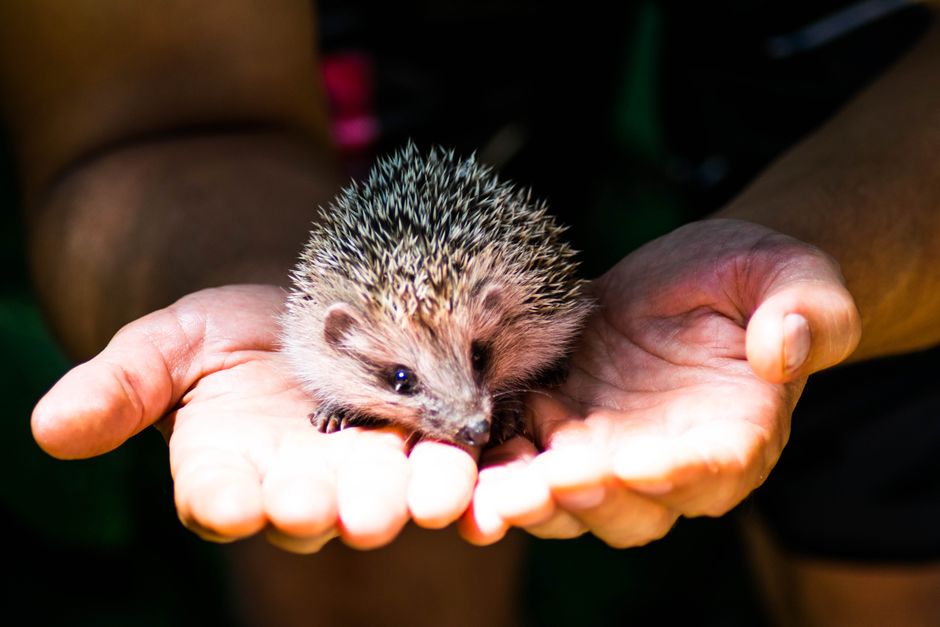
Small mammals, such as guinea pigs and rabbits, are sensitive to both cold drafts and stagnant air. Poor ventilation combined with increased time spent indoors can promote the buildup of dust, ammonia, or pathogens, further contributing to respiratory or skin issues. For all species, the shorter days can affect circadian rhythms, potentially altering appetite, activity levels, and breeding behaviors.
Enclosure hygiene is another concern as fall progresses. The temptation to close windows and limit fresh air can inadvertently increase humidity and decrease air quality in vivariums or cages. This environment may promote the growth of mold, bacteria, or mites, which can irritate or infect your animal. For poultry, damp bedding and poor ventilation in coops can lead to serious respiratory and skin problems.
Understanding these seasonal risks allows you to take proactive measures to keep your exotic animals healthy and comfortable as the weather changes.
Veterinary Treatment and Mobile Care Solutions
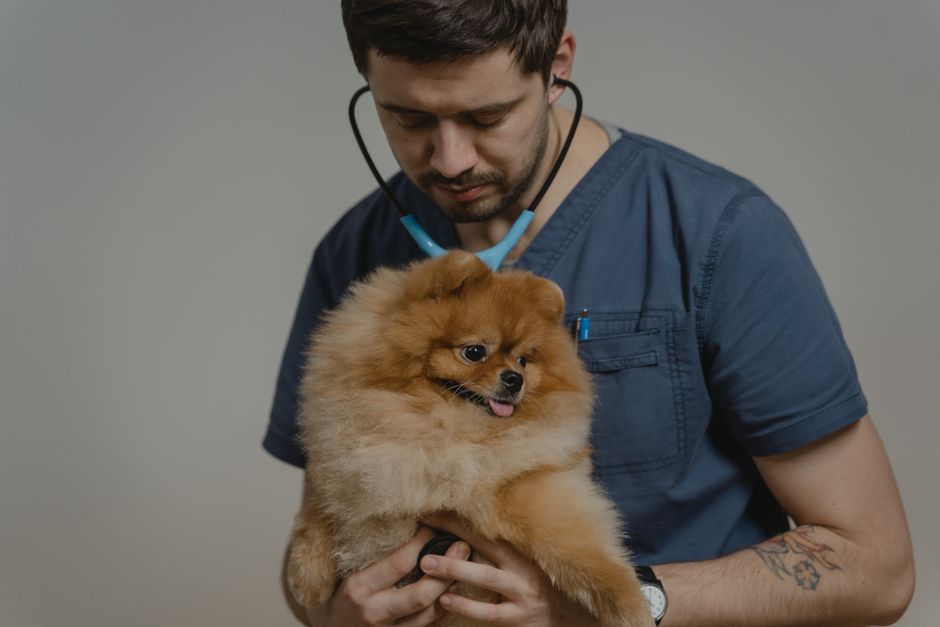
When seasonal illnesses or stress arise, the support of an experienced, mobile exotic veterinary team becomes invaluable. At AnimALL Mobile Veterinary Service, we provide comprehensive, species-specific care right in your home, allowing for gentle handling and accurate environmental assessment.
Treatment for fall-related health issues varies depending on the species and condition involved. For birds with respiratory concerns, veterinary care may involve targeted diagnostics, such as physical examinations, swabs, or bloodwork, to identify infections or inflammation. Treatment often includes species-appropriate medications, humidity support, and environmental modifications. To learn more about our avian physical examinations and how we identify problems early, visit our page on physical examinations for birds.
Reptile cases often require a careful review of enclosure temperatures, humidity, and lighting. Our veterinary professionals may recommend diagnostic tests for respiratory disease, parasite evaluation, or dietary assessments. Where necessary, treatment might involve medication, hydration support, or changes to heating and lighting. If you have concerns about lizard care, our lizard husbandry counseling and lizard nutritional counseling services can help you optimize your animal's environment and diet.
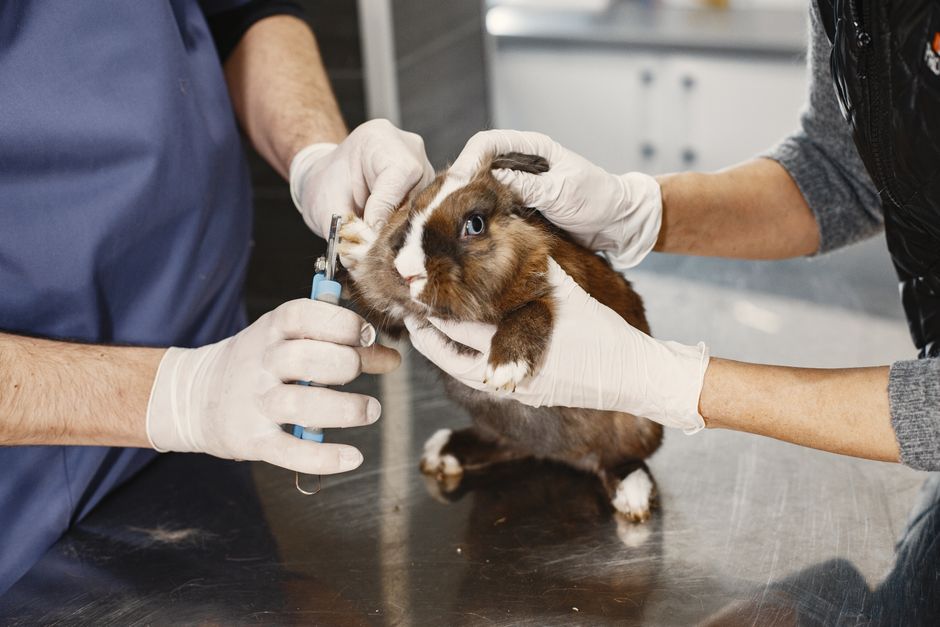
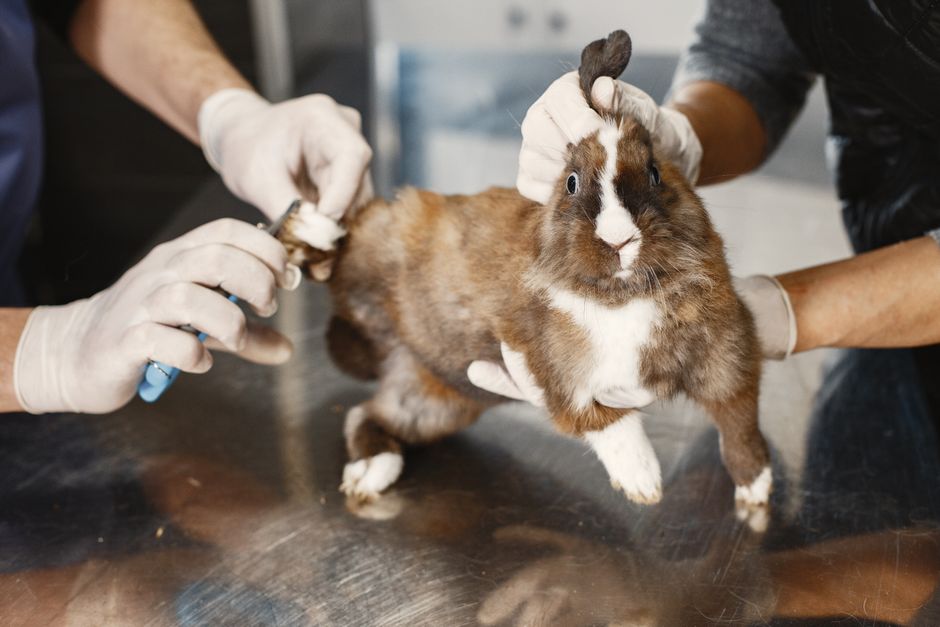
Small mammals benefit from gentle, in-home handling and a thorough review of their living conditions. Our team may recommend supportive care for respiratory issues, digestive upsets, or skin conditions, and will provide species-specific medication or dietary advice as needed. By observing your animal's behavior in their natural home setting, we can make tailored recommendations that help prevent recurrence.
Our mobile approach ensures that animals who may be stressed by travel or exposure to other species in a clinic environment receive calm, personalized care. We prioritize minimizing stress and supporting optimal recovery—right in the comfort of your own home.
Prevention: Practical Steps for Exotic Pet Owners at Home
The best way to keep your exotic animals healthy this fall is through proactive, preventive care and thoughtful husbandry. Here are key guidelines that will help you safeguard your animals as the weather changes:
Maintaining stable temperatures is critical for all exotic species. For birds, ensure their cage is kept away from windows, doors, or vents that may allow in cold drafts. Use heaters, but avoid placing cages directly next to them, as sudden temperature spikes can be just as harmful as cold air. For reptiles, regularly monitor basking and ambient temperatures using accurate thermometers, and adjust heating elements as needed. Humidity should be checked daily; mist cages or use humidifiers for species that require it.
For small mammals like rabbits, guinea pigs, and ferrets, provide plenty of bedding and ensure enclosures are placed in draft-free, well-ventilated rooms. Avoid placing cages on cold floors. Check bedding for dampness daily, as wet bedding can lead to skin or respiratory problems.
Air quality is another important consideration. As homes become more sealed against the cold, fresh air circulation can decrease. Use air purifiers if possible, and clean enclosures or tanks regularly to minimize dust, dander, and ammonia. For birds and small mammals, daily spot cleaning and weekly deep cleaning are recommended, while reptile enclosures should be cleaned according to species-specific needs.
Enrichment remains essential even as days grow shorter. Provide your animals with appropriate toys, foraging opportunities, and exercise time. For birds, rotate perches and toys to encourage movement. For reptiles, vary hiding spots and basking areas. For small mammals, offer tunnels, chew items, and supervised playtime outside the enclosure.
Dietary adjustments may be needed as activity levels change. For birds, consult with your veterinarian about seasonal nutrition and vitamin supplementation. Our avian nutrition guidance can help you provide a balanced diet that supports immunity and energy during the fall. For reptiles and small mammals, review dietary needs with your veterinary team, as changes in temperature and light can alter metabolism and appetite.
Finally, schedule regular wellness evaluations with a mobile veterinary team experienced in exotic species. In-home assessments allow us to review your animal’s environment and daily care routines, helping to catch subtle issues before they become serious. For more comprehensive advice tailored to your animal’s species, our husbandry counseling services offer practical, evidence-based guidance for optimizing daily care and housing.
When to Seek Veterinary Care for Your Exotic Pet
While many minor seasonal adjustments can be managed at home, there are times when professional veterinary attention is essential. If your bird, reptile, or small mammal develops persistent respiratory sounds, stops eating or drinking, becomes lethargic, or shows changes in droppings or urination, prompt evaluation is warranted. Other red flags include weight loss, open-mouth breathing, visible swelling, or abnormal skin, feather, or shell changes.
Do not delay seeking veterinary care if your animal appears to be in pain, has difficulty breathing, or experiences rapid changes in condition. Exotic species often deteriorate quickly once symptoms are visible, so early intervention is key to a successful outcome. Our mobile veterinary team is equipped to provide in-home evaluations, diagnostics, and supportive care, reducing the stress and risk of transport for fragile animals.
If you are unsure whether your animal’s symptoms require medical attention, we encourage you to reach out for guidance. Timely consultation—either via telemedicine or a home visit—can make all the difference in your animal’s recovery and comfort.
Supporting Exotic Animal Wellness in North Metro Atlanta This Fall
As autumn settles across North Metro Atlanta, you play a vital role in supporting the health and happiness of your exotic animals. By understanding the unique challenges of the season and implementing preventive care at home, you can help your bird, reptile, small mammal, or poultry adjust comfortably to cooler days and longer nights.
Should you have any concerns, questions, or need professional support, AnimALL Mobile Veterinary Service is here to help. Our veterinary professionals bring compassionate, fear-free care directly to your home, providing everything from species-specific in-home veterinary care to personalized preventive veterinary care, nutrition counseling, and husbandry advice. When searching for a mobile vet near me who understands the needs of exotic pets, turn to our experienced team for in-home support that prioritizes your animal’s comfort and wellbeing.
To schedule an in-home visit or telemedicine consultation, contact our veterinary team at (770) 264-6858 or visit our website at Animallvet.com. We are proud to serve North Metro Atlanta and surrounding communities, providing the guidance and care your unique animals deserve—right where they feel safest.
Disclaimer: The information provided in this blog is for educational purposes only and does not replace professional veterinary care. If your animal is showing signs of illness or distress, please contact a qualified exotic animal veterinarian for advice and treatment.