Keeping Exotic Pets Healthy in Fall: In-Home Tips for Atlanta Owners


Keeping Exotic Pets Healthy in Fall: In-Home Tips for Atlanta Owners
As the crisp air of October settles over North Metro Atlanta, many exotic animal owners begin to wonder how the changing season impacts their birds, reptiles, small mammals, or backyard poultry. While fall brings relief from summer’s heat, it also introduces new challenges for maintaining the health and comfort of exotic companions. At AnimALL Mobile Veterinary Service, we understand that caring for exotics isn’t just about routine checkups; it’s about creating a safe, stable environment that supports the unique needs of each species, right in the comfort of your home. With our full-service mobile veterinary care, our team brings expertise, compassion, and a Fear-Free approach directly to your door, making seasonal transitions less stressful for both you and your animal companions.
In this guide, we’ll explore how cooler October weather in Atlanta and surrounding communities can affect different exotic species, what signs indicate your animal may be struggling with the seasonal shift, and how to make simple but effective habitat adjustments. You’ll find practical tips for temperature management, stress prevention, and species-specific care—all designed to keep your exotic animals happy and healthy through the fall. Whether you’re new to exotics or a seasoned enthusiast, you’ll discover actionable advice and learn when to reach out for professional in-home veterinary support.
Recognizing Fall Challenges for Exotic Pets in Atlanta
The arrival of fall in North Metro Atlanta can mean fluctuating temperatures, increased household heating, and changes in humidity—all of which can impact exotic pets in different ways. Owners of birds, reptiles, small mammals, and poultry should keep a close eye on subtle changes in behavior and appearance. For example, birds may become more fluffed up or lethargic if they feel chilled, while reptiles might eat less or become less active if their habitat temperatures drop below optimal levels. Small mammals like guinea pigs, ferrets, and chinchillas can develop respiratory issues in response to drafts or low humidity. Backyard poultry may experience decreased egg production or signs of stress as daylight hours shorten.
Common warning signs that your exotic animal is struggling with seasonal changes include loss of appetite, reduced activity, changes in vocalization, difficulty breathing, or unusual posturing. For reptiles, you may notice they spend more time under heat sources or seem reluctant to move. Birds may pluck feathers or show changes in droppings. Small mammals often hide more or develop sneezing, nasal discharge, or rough fur. Poultry might huddle together, have disheveled feathers, or stop laying altogether. Recognizing these early signs is crucial for prompt intervention and can help prevent more serious health concerns as the season advances.
Why Fall Weather Brings Unique Risks to Exotic Species
Unlike dogs or cats, exotic animals are often highly sensitive to even minor changes in their environment. Many species originate from climates that differ greatly from Atlanta’s fall conditions, so they depend on you to replicate those habitats indoors. Birds, especially tropical parrots and finches, require stable temperatures and humidity. Sudden drops in temperature or dry indoor air from heating systems can stress their immune systems and lead to respiratory illnesses. Reptiles such as snakes, lizards, and turtles rely on carefully controlled heat gradients. Without proper temperature management, their metabolism slows, making them vulnerable to digestion problems, infections, or even metabolic bone disease.
Small mammals—including rabbits, guinea pigs, chinchillas, hamsters, and rats—are prone to respiratory infections if exposed to drafts, fluctuating humidity, or overcrowded enclosures. Chinchillas, in particular, are sensitive to high humidity and require dry, cool environments, while ferrets and rabbits can be at risk if their bedding becomes damp. Backyard poultry face additional risks from cooler nights, as well as reduced daylight, which affects their laying cycle and can increase stress levels. Each species needs customized environmental adjustments to ensure their health and comfort as the weather shifts.
Managing Habitat and Comfort: Professional In-Home Strategies
When it comes to fall care for exotic pets, proactive habitat management is essential. At AnimALL Mobile Veterinary Service, our veterinarians provide tailored guidance during in-home visits, helping you assess and adjust your animal’s living space for seasonal changes. For bird owners, this means ensuring enclosures are away from cold windows and drafts, maintaining humidity with a room humidifier, and monitoring for signs of chill or dryness. Our avian veterinary professionals can offer avian husbandry counseling for habitat and nutrition, addressing concerns like proper cage placement and light schedules.
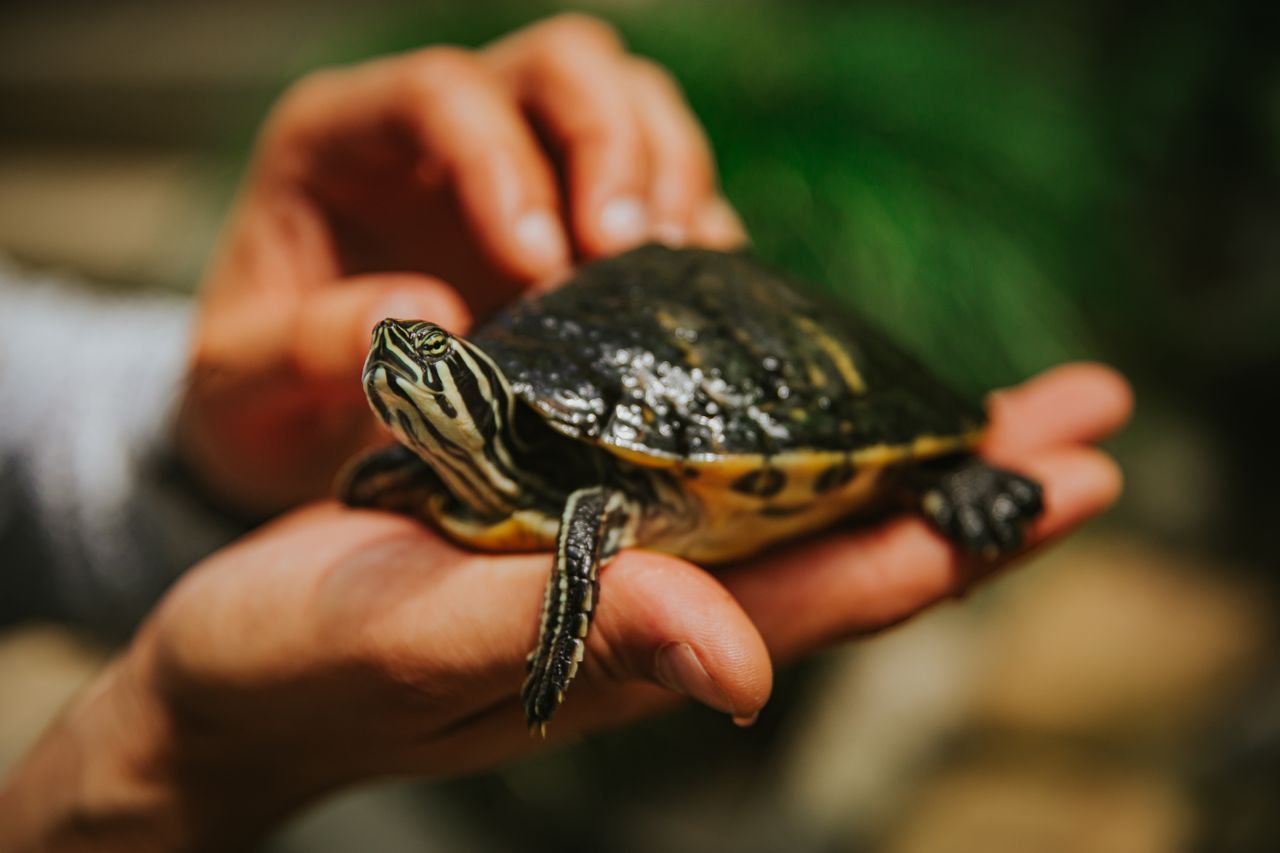
Reptile owners are encouraged to use thermostats and reliable heat sources to maintain appropriate temperature gradients. Our team can advise on optimal UVB lighting, substrate selection, and humidity control, and we also offer lizard habitat counseling and snake habitat recommendations to help you fine-tune your setup for autumn conditions. For turtles and tortoises, adjusting basking spots and providing a consistent light-dark cycle is crucial; our mobile veterinarians provide turtle care counseling to help you navigate these changes.
Small mammal care in fall revolves around clean, dry bedding and proactive ventilation. Chinchillas, for example, benefit from dust baths and low humidity, while guinea pigs and ferrets need regular enclosure cleaning to minimize ammonia and moisture. During an in-home wellness visit, we can assess your setup, check for drafts, and provide tailored chinchilla, ferret, or guinea pig husbandry guidance. For hamsters, gerbils, mice, rats, and sugar gliders, we offer habitat and daily care advice to prevent common fall pitfalls.
Backyard poultry benefit from windbreaks, dry litter, and sufficient roosting space. Our veterinary team can help you optimize your coop for fall, discuss nutrition adjustments, and address concerns about decreased egg production or feather loss. By personalizing your animal’s environment to the season, you minimize stress and reduce the risk of illness.
Preventing Fall Health Issues at Home
Preventive care is the foundation of exotic animal wellness—especially during transitional seasons. Simple daily habits support your animal’s resilience and comfort. For all species, monitoring temperature and humidity is key. Place thermometers and hygrometers in enclosures to track conditions, and adjust heating, lighting, or humidification as needed. Avoid placing cages or tanks near exterior doors, poorly insulated windows, or directly in the path of heating and cooling vents.
Diet also plays a vital role. Birds may need slightly increased caloric intake if they are exposed to cooler temperatures, while reptiles should continue to receive species-appropriate diets to support normal metabolism. Small mammals benefit from high-quality hay, fresh vegetables, and the right balance of vitamins and minerals. Poultry should have continuous access to fresh water and be offered extra protein during molting or as egg production naturally declines with shorter days.
Stress reduction is another priority. As households turn on heating systems and activity patterns shift, some exotics may become anxious or withdrawn. Providing consistent routines, enrichment toys, and quiet resting spaces helps ease the transition. For birds, regular social interaction and out-of-cage time remain important, while reptiles thrive with minimal disturbance and stable habitat conditions.
If you’re unsure how to best support your exotic animal’s health this fall, consider scheduling a mobile veterinary visit for husbandry counseling. Our species-specific in-home veterinary care includes wellness exams, nutrition advice, and environmental assessments tailored to your animal’s needs and your home’s layout.
When to Contact a Mobile Exotic Veterinarian
Even with diligent home care, some seasonal problems require professional attention. Signs that your exotic animal needs veterinary evaluation include persistent lethargy, labored breathing, reduced food or water intake, abnormal droppings or urine, unexplained weight loss, feather or fur loss, or visible injuries. For reptiles, refusal to bask or abnormal shedding can indicate underlying issues. Birds showing changes in voice, droppings, or feather quality may be developing respiratory or nutritional problems. Small mammals that sneeze, have runny noses, or appear hunched and unkempt should be examined promptly. Poultry that stop laying, show swelling or discharge, or fail to roost properly also benefit from timely veterinary support.
Delaying care for exotics can lead to rapid deterioration, as many species mask illness until it becomes advanced. As a mobile service, AnimALL Mobile Veterinary makes it easy to access expert help without the stress of travel. Our team is available for telemedicine consultations as well as in-home visits, allowing for individualized assessments and immediate recommendations. If you have concerns about your animal’s wellbeing, do not hesitate to reach out for guidance. For urgent matters, our telemedicine services can provide quick answers and help determine if an in-person visit is needed.
Supporting Exotic Animal Wellness in the Comfort of Your Home
Caring for exotic animals in North Metro Atlanta’s fall weather is all about proactive management and attentive observation. By understanding the unique risks of the season and making simple adjustments to temperature, humidity, and routine, you help your birds, reptiles, small mammals, and poultry thrive as the weather cools. Scheduling regular in-home veterinary checkups ensures small problems are caught early, and species-specific husbandry guidance from mobile professionals takes the guesswork out of environmental care.
If you’re searching for a mobile vet near me who specializes in personalized exotic pet care, AnimALL Mobile Veterinary Service is here to help. Our veterinary team serves North Metro Atlanta and surrounding communities with compassion, expertise, and a commitment to your animal’s comfort. To schedule a home visit or telemedicine consultation, call (770) 264-9685 or visit Animallvet.com. With our mobile veterinary professionals by your side, you can look forward to a healthy, happy fall season for every member of your animal family.
This blog is intended for informational purposes only and should not be considered a substitute for direct veterinary care. If you have concerns about your exotic animal’s health, contact a qualified veterinarian promptly.