Fall Health Checks for Exotic Pets in Atlanta Homes


Fall Health Checks for Exotic Pets in Atlanta Homes
As the hot, humid days of summer begin to fade and the crispness of fall settles into North Metro Atlanta, many exotic pet owners find themselves wondering how these seasonal changes affect their birds, reptiles, small mammals, and backyard poultry. Unlike dogs or cats, exotic pets have unique environmental and husbandry needs that can be impacted by even subtle shifts in temperature, humidity, and daylight. At AnimALL Mobile Veterinary Service, our mission is to bring full-service, species-specific veterinary care right to your home, offering compassionate support during seasonal transitions so you never have to worry about the stress of transporting your feathered, scaled, or furry companions. In this blog, we will explore why fall health checks are so important for exotic pets in the Atlanta area, discuss what signs to watch for as the weather changes, and explain how in-home wellness exams and tailored preventive care can keep your unique animals thriving throughout the autumn months and beyond.
Whether you are caring for a charismatic parrot, a curious bearded dragon, a playful rabbit, or a backyard flock, our team understands that every exotic species faces its own seasonal risks and requires specialized attention. We will guide you through the signs of seasonal discomfort or illness, the reasons behind these changes, how AnimALL Mobile Veterinary Service approaches in-home fall health checks, and what you can do at home to support your exotic pets as autumn arrives. If you are seeking stress-free, in-home veterinary visits for exotics in North Metro Atlanta and surrounding communities, you have come to the right place.
How to Recognize When Your Exotic Pet Needs a Fall Health Check
Seasonal changes can be challenging for many exotic species, but the signs that your animal needs a veterinary evaluation are often subtle. Birds may become quieter or more irritable, develop changes in feather condition, or show reduced appetite as the humidity drops or drafts increase in your home. Reptiles are especially sensitive to temperature fluctuations; if your lizard, snake, or turtle is less active, refuses food, or spends more time hiding, these can be warning signs that their enclosure is not maintaining the right microclimate for autumn. Small mammals such as rabbits, guinea pigs, and ferrets might develop softer stools, respiratory symptoms, or dull coats as the season changes. Backyard poultry may decrease egg production, display puffed-up feathers, or be more susceptible to parasites and respiratory infections as cooler, damper weather arrives.
Owners should watch for symptoms including lethargy, changes in eating or drinking habits, sneezing, nasal or ocular discharge, abnormal droppings, feather or fur loss, labored breathing, or any shifts in normal behavior. For instance, a cockatiel that suddenly spends more time fluffed up near a heat lamp, or a rabbit that stops using the litter box and hides more during chilly mornings, may be showing early signs of stress or illness. Early recognition is crucial because exotic animals often mask health problems until they become severe. If you notice any of these concerns, scheduling an in-home wellness examination with a veterinarian experienced in exotic species can make all the difference as fall approaches.
Why Fall Weather Affects Exotic Pets: Understanding Seasonal Risks
Exotic pets are often highly sensitive to environmental changes because their wild ancestors evolved in stable, species-specific climates. In North Metro Atlanta, fall brings a drop in temperature, fluctuating humidity, and shorter daylight hours, all of which can create challenges for captive exotics. Birds kept indoors may experience dry air from heating systems, which can irritate their airways and skin. Reptiles depend on precise gradients of warmth and humidity; even a small draft or a slight drop in cage temperature can disrupt their digestion, immune function, and behavior. Small mammals like ferrets and guinea pigs may be at greater risk for respiratory infections as they are exposed to cooler air or increased indoor dust. Backyard poultry, especially those in outdoor coops, are prone to external parasites such as mites and lice as well as infectious diseases that thrive in damp, leaf-littered environments.
These seasonal shifts can also affect metabolic rates, molting cycles, and reproductive behaviors. For example, some birds may enter a molt or reduce egg laying as daylight hours decrease. Reptiles may become less active and susceptible to impaction if their lighting or heating is not adjusted for fall. Small mammals might put on extra weight if their activity level drops, while poultry may need dietary changes to maintain body condition. Understanding these risks is the first step in preventing seasonal health issues for your exotic pets.
What Happens During an In-Home Fall Wellness Exam for Exotic Pets
A fall wellness check with AnimALL Mobile Veterinary Service is designed to keep your exotic animals comfortable, healthy, and safe as the seasons change—all without the stress of a clinic visit. Our veterinarians come directly to your home, where your bird, reptile, small mammal, or backyard poultry can be examined in the environment where they live every day. During an in-home wellness exam, we take a species-specific approach to assess your pet’s baseline health, husbandry, and environmental conditions.
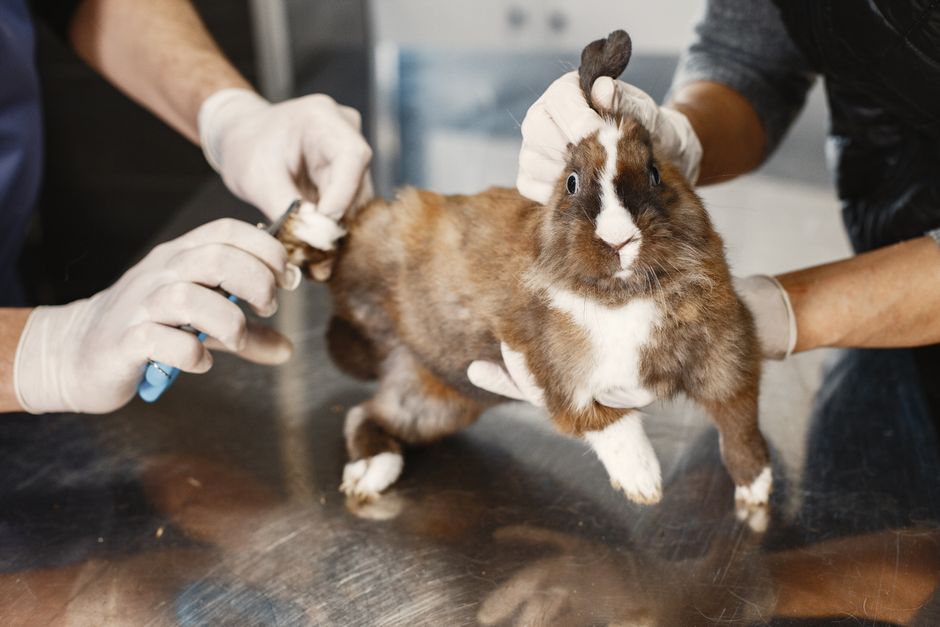
For birds, we focus on feather condition, respiratory health, weight, and nutritional status, while also evaluating the enclosure for drafts, humidity, and air quality. Reptile exams include a detailed check of body condition, hydration, and mobility, as well as a review of basking temperatures, humidity, and lighting within the enclosure. Small mammals receive a thorough evaluation of their coat, teeth, body weight, and respiratory system, along with a discussion of bedding, ventilation, and nutrition. During backyard poultry visits, our team assesses flock health, parasite risks, and coop hygiene, and provides guidance on seasonal supplementation and predator-proofing.
Part of our commitment to preventive wellness involves customized recommendations for husbandry and environmental management. For example, we might suggest changes to heat sources, humidifiers, diet, or cleaning routines to help your animal adjust to fall. If you are interested in learning more about our species-specific approach, explore our dedicated exotic pet medicine services and discover how personalized care can support your unique animals year-round.
Home Care Tips to Support Exotic Pets During Fall in Atlanta
Beyond professional veterinary care, there are several practical steps you can take at home to support your exotic pets as autumn arrives in North Metro Atlanta. For birds, maintaining humidity levels with a room humidifier, avoiding placement of cages near drafts or vents, and ensuring access to full-spectrum lighting can make a big difference in feather and respiratory health. Reptile owners should regularly check basking and cool zone temperatures with digital thermometers, adjust heat lamps or heating pads as needed, and monitor enclosure humidity to reflect seasonal changes; it is also important to provide a proper photoperiod to mimic natural day length.
For small mammals such as rabbits and guinea pigs, ensure that bedding is dry and changed frequently, avoid cedar or pine shavings that can irritate airways, and adjust diets to prevent seasonal weight gain. Monitor for any signs of decreased activity or changes in appetite, as these may indicate the need for a veterinary checkup. Backyard poultry keepers should inspect coops for dampness, increase bedding to help insulate against cold snaps, and check for signs of external parasites or respiratory disease as the weather cools. Providing windbreaks, supplemental lighting, and clean water that does not freeze overnight are key steps in fall flock care.
If you are unsure about how to optimize your animal’s enclosure or daily care routine for fall, our veterinary professionals offer tailored husbandry counseling right in your home, so you can be confident your exotic pets are set up for seasonal success.
When to Call for Professional Help: Recognizing Urgent Issues in Exotic Pets
While many seasonal issues can be managed with preventive care and husbandry adjustments, there are times when immediate veterinary attention is necessary. If your bird suddenly has difficulty breathing, is unable to perch, or stops eating completely, these are urgent signs that require a professional evaluation as soon as possible. For reptiles, symptoms such as persistent lethargy, refusal of food for more than a few days, swelling, abnormal shedding, or discharge from the mouth or nose are red flags. Small mammals that develop labored breathing, ongoing diarrhea, sudden weight loss, or wounds should also be seen promptly. In backyard poultry, watch for birds that isolate themselves, have drooping wings, swollen eyes, or severe respiratory distress.
Whenever you notice a sudden change in your exotic animal’s behavior, appearance, or daily routine—especially during the seasonal transition to fall—it is best to contact a veterinarian who is experienced with exotics and can provide care in the comfort of your home. Early intervention can prevent minor issues from becoming serious health crises.
Why Choose AnimALL Mobile Veterinary Service for Fall Exotic Pet Wellness in North Metro Atlanta
At AnimALL Mobile Veterinary Service, we believe that every exotic animal deserves personalized, compassionate veterinary care, regardless of the season. Our mobile approach means less stress for you and your pet, as we bring advanced diagnostics, preventive medicine, and wellness support directly to your home in North Metro Atlanta and surrounding communities. We are proud to offer a full range of in-home services, from routine wellness exams and vaccinations to species-specific husbandry guidance and urgent care for birds, reptiles, small mammals, and backyard poultry. Our Fear-Free philosophy ensures that your animal’s comfort and safety are always our top priorities.
If you have been searching for a "mobile vet near me" who truly understands the unique needs of exotic pets, our team of veterinarians is here to help. Fall is the perfect time to schedule a wellness check and make sure your animal’s environment is ready for cooler weather, decreased humidity, and the challenges of a new season. To learn more or to book a convenient in-home visit, call us at (770) 766-4858 or visit our website at Animallvet.com. Your exotic pets deserve specialized fall care, and our veterinary professionals are honored to be your trusted partners in their lifelong health.
This blog is intended for informational purposes only and should not be considered a substitute for professional veterinary advice. If you have concerns about your exotic animal’s health, please contact a qualified veterinarian for a thorough assessment.