Heat Safety Tips for Exotic Pets in Atlanta


Heat Safety Tips for Exotic Pets in Atlanta
Atlanta’s summers can be especially tough on exotic pets. If you share your home with birds, reptiles, small mammals, or backyard poultry, you likely know how quickly heat and humidity can become a risk. At AnimALL Mobile Veterinary Service, our team brings full-service, species-specific care directly to your home throughout North Metro Atlanta, offering a Fear-Free approach to help your unique pets thrive—even during the hottest months. In this article, we’ll guide you through practical heat safety strategies tailored to the needs of exotic pets, from spotting early signs of heat stress to creating a safer environment right in your living room, sunroom, or backyard. You’ll also discover when it’s time to seek veterinary help and how our in-home care model supports both your animal’s comfort and your peace of mind. If you’re concerned about August’s swelter or want to ensure your bird, reptile, small mammal, or poultry stays healthy all summer long, read on for expert advice and actionable tips from your local mobile exotics vet.
Recognizing Heat Stress in Exotic Pets
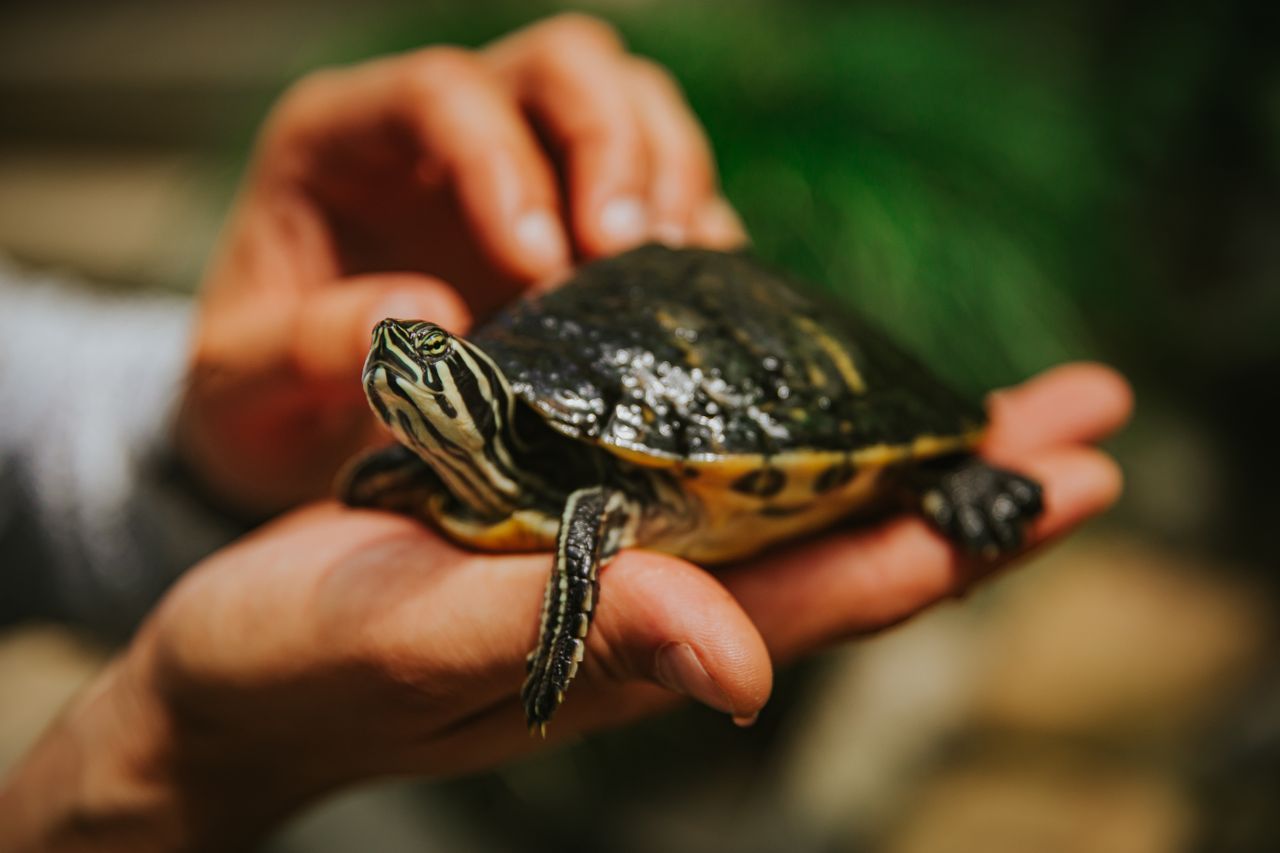
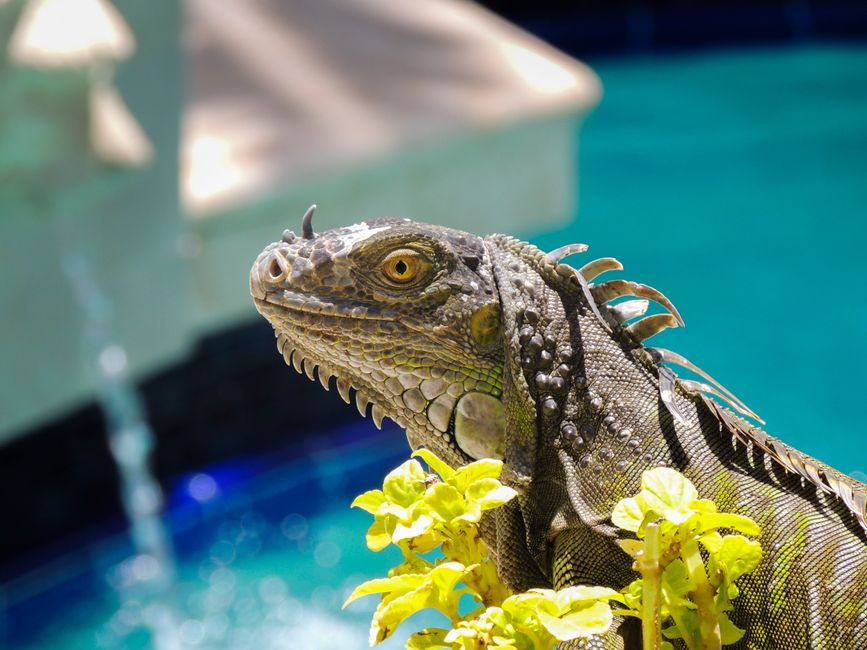
Exotic pets display heat distress differently from dogs and cats, often with subtle or species-specific signs. Knowing what to look for can make all the difference during a heatwave. In birds, key symptoms include open-mouth breathing, wings held away from the body, excessive panting, or weakness. Reptiles may gape, become unusually lethargic, or seek out the coolest spots in their enclosure, and some may develop skin discoloration or abnormal behaviors like continuous digging. Small mammals such as rabbits, guinea pigs, or ferrets often show rapid breathing, drooling, lying flat and unresponsive, or even trembling. For backyard poultry, danger signs are panting, holding their wings out, loss of appetite, or a drop in egg production.
It’s important to remember that exotic pets can deteriorate quickly once they begin to overheat. Many species cannot sweat and rely on their environment and your intervention to regulate temperature. If you notice these early warning signs, act quickly to reduce heat exposure and contact a veterinarian if symptoms escalate.
Why Exotic Pets Are Vulnerable to Atlanta’s Heat
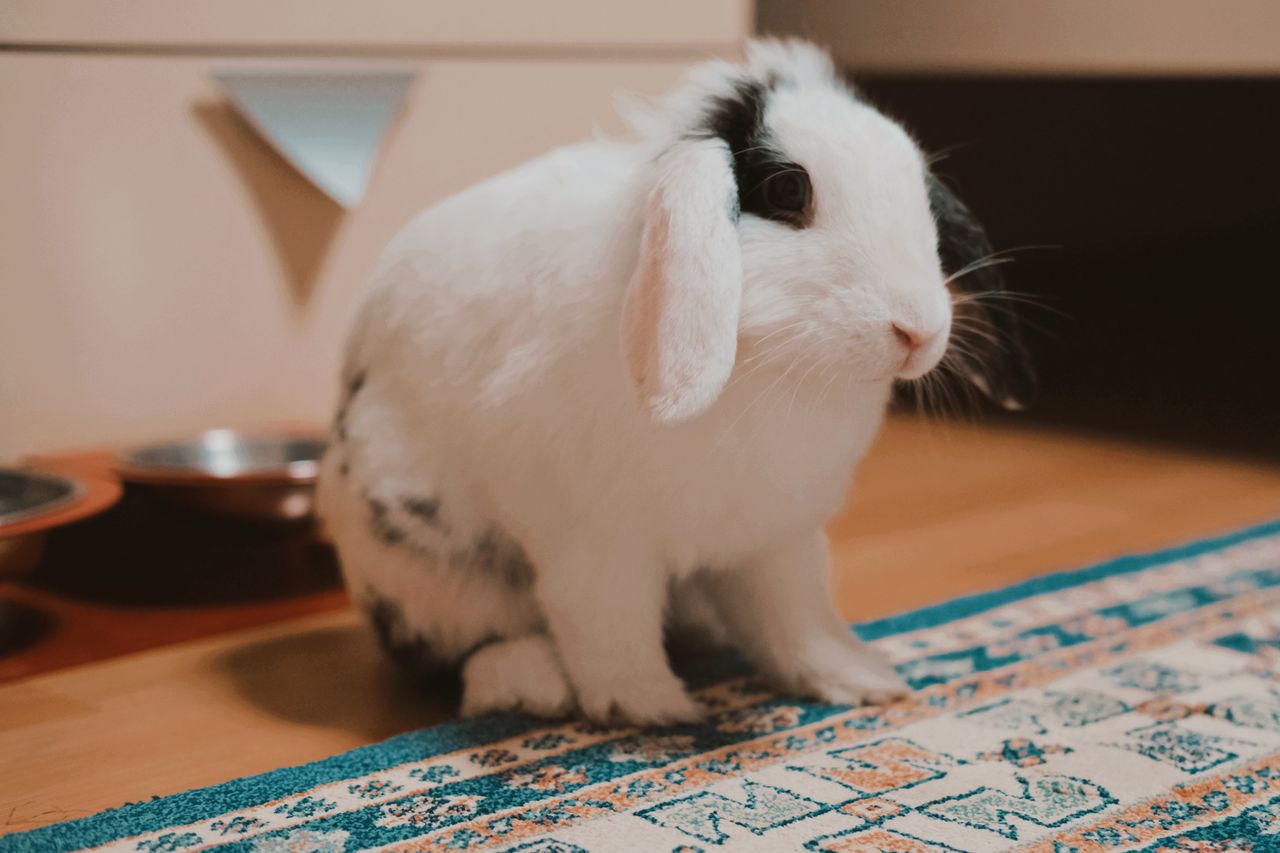
Atlanta’s summer weather brings high temperatures and humidity—both of which can be particularly dangerous for exotic pets. Unlike most dogs and cats, many exotic species originate from climates quite different from Georgia’s muggy summers. Birds from tropical regions may cope with heat but often struggle with high humidity in closed indoor environments. Reptiles, such as bearded dragons or corn snakes, require precise temperature gradients and can develop heat-related illnesses if their enclosures get too warm or lack proper ventilation. Small mammals like rabbits, guinea pigs, and chinchillas are especially susceptible to overheating, as their dense fur and inability to pant limit their natural cooling mechanisms. Even ferrets, who enjoy playtime, can become dangerously overheated indoors during warm spells.
For backyard poultry, heat stress is a leading cause of illness and even death during peak summer months. Chickens, ducks, and other birds dissipate heat mainly through panting and spreading their wings, but in North Metro Atlanta’s high humidity, this can be ineffective.
Indoor environments can actually become microclimates, especially if direct sunlight streams through windows or if air conditioning fails. Portable heaters, lamps, or heat pads can also accidentally push enclosure temperatures into dangerous territory. Understanding these risk factors is the first step in protecting your exotic pets.
Managing Heat Stress: Veterinary Care in the Comfort of Your Home
When your exotic pet is showing signs of heat distress or you’re unsure about their safety, in-home care offers a gentle, stress-free solution. Our veterinary team at AnimALL Mobile Veterinary Service is trained to assess and treat heat-related issues for a wide range of exotic species right in your home. Treatment approaches involve a combination of gentle cooling methods, supportive therapies, and careful monitoring. For example, birds experiencing heat stress may benefit from misting and fluids, while reptiles often need their enclosure temperatures lowered gradually and may require hydration support.
For small mammals, immediate steps may include moving them to a cooler room, providing damp towels for comfort, and, if needed, administering fluids under veterinary supervision. Backyard poultry may require shade, electrolytes, and rapid cooling interventions. Our team can provide species-specific in-home veterinary care for exotic pets, including diagnostic assessments and tailored treatment plans.
If you’re worried about your animal’s condition or if symptoms persist after initial cooling measures, do not wait—contact our veterinary team promptly. The convenience of mobile service means we come to you, reducing the additional stress of travel during a heat emergency.
Preventing Overheating: Home Care Tips for Exotic Pets
The best way to keep your exotic pets safe is through proactive, species-appropriate prevention strategies that fit right into your daily routine. For birds, place cages away from direct sunlight and ensure good airflow. Consider using fans (not aimed directly at your bird) and provide shallow water dishes or safe misting opportunities. For detailed avian care, our Avian Husbandry Counseling service can help you optimize your bird’s environment.
Reptiles need carefully controlled enclosure temperatures. Always use a thermometer and hygrometer, and never rely solely on room temperature. Make sure your reptile has access to cooler retreat zones within their enclosure and avoid placing tanks near sunlit windows. Our team can advise on safe adjustments, and Lizard Husbandry Counseling is available for those seeking more guidance.
Small mammals like rabbits, guinea pigs, and chinchillas should be housed in cool, shaded areas with plenty of fresh water. Consider ceramic tiles or frozen water bottles wrapped in cloth as safe cooling surfaces. Do not use ice directly, as sudden temperature changes can be dangerous. Our Guinea Pig Husbandry Counseling and Chinchilla Husbandry Counseling services are designed to help you maintain ideal conditions.
Backyard poultry benefit from shaded runs, cool water sources, and proper ventilation in coops. Offer electrolytes during heatwaves and monitor flocks closely for early signs of distress. Our veterinary team can provide Backyard Poultry Husbandry Help to support your flock’s summer health.
When to Seek Veterinary Care for Heat-Related Issues
Heat stress in exotic pets is an emergency that can escalate rapidly. If your animal is unresponsive, experiencing seizures, collapse, or shows difficulty breathing despite initial cooling measures, seek immediate veterinary attention. Even mild symptoms—such as persistent panting in birds, abnormal behaviors in reptiles, or lethargy in small mammals—should prompt a call to a veterinarian. Remember that some signs may not appear until hours after the heat event, especially in species that hide illness.
At AnimALL Mobile Veterinary Service, we prioritize urgent in-home care for exotic pets across North Metro Atlanta and surrounding communities. If you’re unsure whether your animal needs professional help, our team can provide telemedicine guidance on Tuesdays or arrange a home visit on available days. Do not hesitate to reach out if you have any concerns about your bird, reptile, small mammal, or poultry’s wellbeing during the summer.
Supporting Your Exotic Pets Year-Round in North Metro Atlanta
Caring for exotic pets in Atlanta’s unique climate means staying vigilant about temperature and humidity, especially during the summer. By recognizing early signs of heat stress, understanding your animal’s specific needs, and implementing preventative home care, you can help your bird, reptile, small mammal, or poultry stay safe and comfortable all season long. Our mobile veterinary team is here to make that process easier, delivering Fear-Free, personalized care directly to your home.
If you are searching for a mobile vet near me who truly understands exotic pets, AnimALL Mobile Veterinary Service offers compassionate expertise and convenient in-home visits tailored to your animal’s needs. Whether you need a summer wellness check, have questions about enclosure set-up, or require urgent care, contact our veterinary team for support. Explore our species-specific in-home veterinary care for exotic pets or reach out at (770) 766-4858 to schedule a visit. We’re dedicated to helping your exotic animals thrive—no matter how hot Atlanta gets.
This article is intended for general education and does not replace professional veterinary care. If your exotic pet is experiencing a health emergency, please contact a qualified veterinarian immediately.