Preparing for Exotic Pet Emergencies at Home


Preparing for Exotic Pet Emergencies at Home
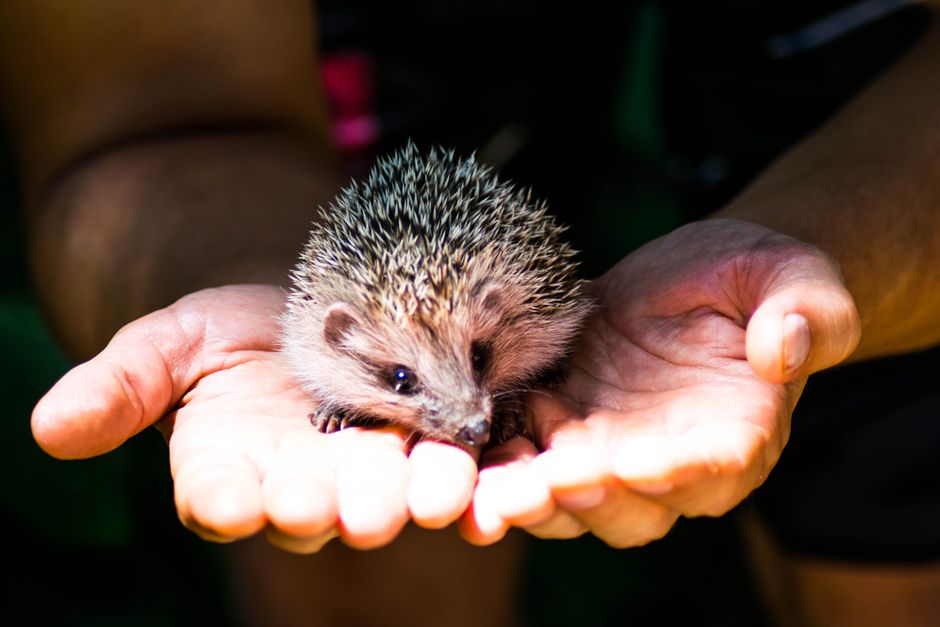
Exotic animals, from vibrant parrots to curious reptiles and delicate small mammals, bring unique joy and challenges into our lives. If you share your home in North Metro Atlanta with birds, reptiles, rabbits, ferrets, guinea pigs, or even backyard poultry, you know these special companions require careful, species-specific attention. But what happens when an emergency strikes—a sudden injury, unexplained illness, or alarming behavior—far from the resources of a traditional clinic? At AnimALL Mobile Veterinary Service, we understand the anxiety that comes with urgent situations involving exotic animals. Our mobile team, led by Dr. Colleen Roman, is dedicated to bringing compassionate, expert care directly to your home, minimizing stress for both you and your unique pets.
In this guide, we will help you recognize the warning signs of emergencies in exotic animals, explain common causes, outline immediate steps you can take at home, and clarify how a mobile exotic veterinarian can assist during business hours. You will also learn when specialized or emergency clinic care may be needed for your bird, reptile, small mammal, or poultry. By preparing ahead and knowing what to do when the unexpected happens, you can help ensure your exotic companion receives the best possible care right in the comfort of your home. For more details about our comprehensive services, including in-home exotic pet medicine and urgent care, visit our page about species-specific in-home veterinary care for exotic pets.
Recognizing Emergencies in Exotic Animals
Exotic animals are masters at hiding illness and discomfort, a trait that can make it difficult to spot problems until they become more serious. As an owner, being able to recognize subtle changes in appearance, behavior, or appetite is crucial for early intervention. The signs of an emergency can vary depending on the species, but there are some key symptoms common to many exotic pets.
For birds, sudden weakness, fluffed feathers, difficulty breathing, sitting at the bottom of the cage, or bleeding are all warning signs that require prompt attention. In reptiles, refusal to eat, lethargy, abnormal shedding, difficulty moving, or open-mouth breathing may indicate a medical crisis. Small mammals such as rabbits, guinea pigs, ferrets, hamsters, and chinchillas can rapidly deteriorate if they stop eating, develop diarrhea, experience labored breathing, or show evidence of trauma. Poultry may show signs of distress through drooping wings, sudden lameness, severe wounds, or respiratory distress.
Other urgent symptoms across exotic species include seizures, collapse, persistent vomiting or diarrhea, significant blood loss, and difficulty passing droppings or urine. If you observe any of these signs, time is of the essence. Prompt recognition and immediate action can make all the difference for your exotic animal’s outcome.
Common Causes of Emergencies in Exotic Pets
Understanding what can trigger emergencies in exotic animals helps you reduce risks and respond appropriately. Birds may suffer from trauma, egg binding, respiratory infections, or accidental ingestion of toxic foods and household substances. Reptiles are sensitive to temperature extremes, poor humidity, improper lighting, and parasite infestations; these factors can quickly lead to life-threatening metabolic or respiratory disorders.
Small mammals often face emergencies resulting from gastrointestinal stasis, dental disease, heatstroke, or injuries from falls and other household hazards. Ferrets are prone to insulinoma (a dangerous drop in blood sugar), while guinea pigs can suffer from severe vitamin C deficiency if not fed correctly. Hamsters and gerbils may develop respiratory infections or experience sudden injuries due to their small size and active nature. Chinchillas are particularly vulnerable to overheating and dental complications.
Poultry emergencies often arise from predator attacks, egg binding, acute infections, or exposure to toxins. Environmental stressors, such as overcrowding or poor ventilation, can also precipitate health crises in backyard flocks.
No matter the species, emergencies in exotic animals are typically the result of a combination of environmental, nutritional, and husbandry factors. Preventing these events begins with understanding your animal’s unique needs, providing proper care, and remaining vigilant for any changes in their condition.
Immediate Steps to Take at Home During an Exotic Pet Emergency
When facing an emergency with your exotic animal, your actions in those crucial first moments can greatly impact their outcome. Remaining calm is essential, as exotic animals are highly sensitive to stress. The first step is to gently remove your animal from any immediate danger. For birds and small mammals, carefully place them in a quiet, safe enclosure with soft bedding and minimal handling to avoid further injury. Reptiles should be kept in a secure container with appropriate temperature and humidity, while poultry benefit from gentle isolation away from the flock.
Assess your animal’s breathing, responsiveness, and visible injuries. If there is active bleeding, apply gentle pressure with a clean gauze or towel. For animals showing signs of respiratory distress, ensure their airway is clear and their environment is well-ventilated. Avoid offering food or water if your animal is unconscious, unable to swallow, or struggling to breathe.
Contact a veterinary professional as soon as possible to describe your animal’s symptoms and receive tailored advice. Mobile exotic veterinarians, like our team at AnimALL Mobile Veterinary Service, can guide you through initial first aid steps over the phone and arrange an urgent home visit during business hours. Our telemedicine services for veterinary guidance and support can also provide immediate advice when a physical visit is not possible.
Do not attempt to medicate your exotic animal with over-the-counter products or human medications, as these can be extremely dangerous for non-traditional species. If you believe your animal has ingested a toxin or is in critical distress, prepare for immediate transport to a specialty or emergency clinic equipped for exotic animal emergencies.
How a Mobile Exotic Veterinarian Can Help in Emergencies
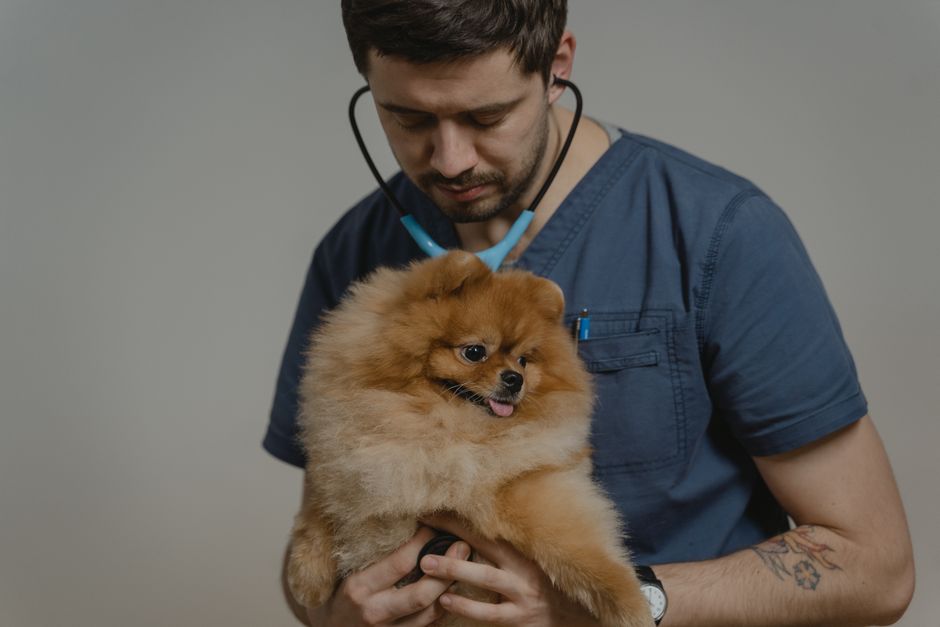
One of the greatest advantages of choosing a mobile veterinary service for your exotic animal is the ability to receive expert care in a familiar, low-stress environment. At AnimALL Mobile Veterinary Service, we bring specialized equipment, medications, and diagnostic tools directly to your home in North Metro Atlanta and surrounding communities. This approach minimizes handling stress and allows for a thorough assessment of your animal’s environment, which is often essential in identifying the cause of illness or injury.
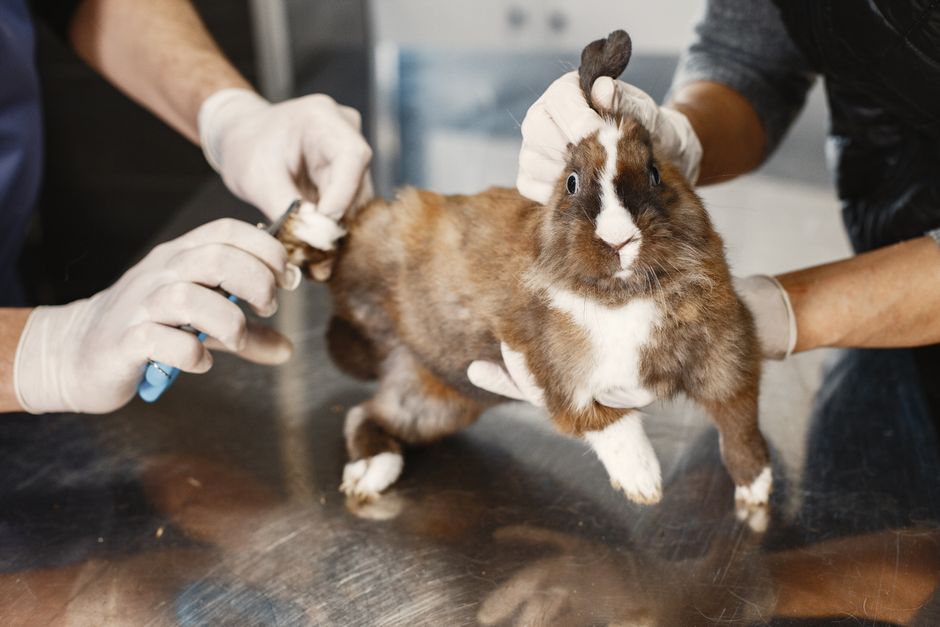
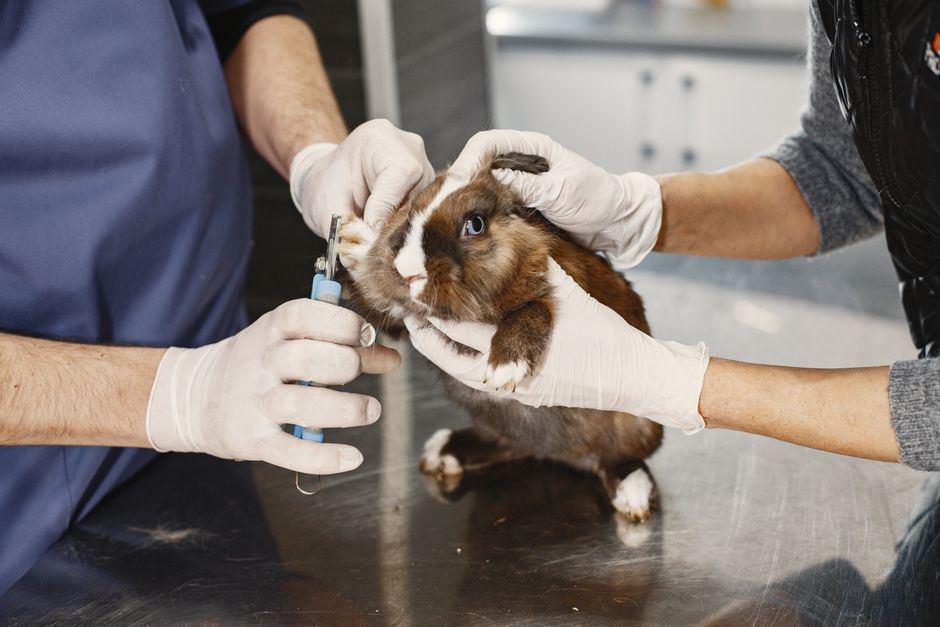
During an emergency, our mobile veterinary team will evaluate your exotic animal’s condition, perform necessary diagnostics, and provide treatments such as fluid therapy, wound care, pain management, and supportive care tailored to your species’ needs. For example, if your bird is experiencing respiratory distress, we may administer oxygen therapy and medications on-site. In the case of a rabbit with gastrointestinal stasis, we can provide fluids, pain relief, and nutritional support directly in your home.
When necessary, we can stabilize your animal and coordinate referral to a specialty or 24-hour emergency facility for advanced care, such as surgery or intensive monitoring. Our goal is to support both the immediate needs of your exotic animal and your peace of mind by delivering compassionate, knowledgeable care where your animal feels safest.
To learn more about the benefits of in-home veterinary care and our Fear-Free approach, visit our page on the benefits of choosing a mobile veterinarian for at-home pet care.
Preventing Exotic Pet Emergencies at Home
Prevention is the foundation of keeping exotic animals healthy and avoiding emergencies. Each species has its own husbandry requirements, so staying informed and proactive about your animal’s needs is key. For birds, prevention centers on providing a nutritious diet, clean water, safe perching, regular cage cleaning, and protection from household hazards like ceiling fans or toxic houseplants. Reptiles require precise environmental conditions, including temperature gradients, humidity control, proper lighting, and species-appropriate substrates.
Small mammals should be housed in safe, escape-proof enclosures, offered a balanced diet, and provided with enrichment to reduce stress. Regular dental checks are essential for rabbits, guinea pigs, and chinchillas, as overgrown teeth can quickly become life-threatening. Ferrets need close supervision to avoid ingesting foreign objects, while hamsters, gerbils, and mice thrive in habitats free from sharp edges and other hazards. Poultry benefit from secure coops, predator protection, clean nesting areas, and proper nutrition to support egg production and immune health.
Routine wellness examinations by an exotic animal veterinarian are vital in catching early signs of illness and ensuring your animal’s environment is optimized for their health. We offer species-specific in-home veterinary care for exotic pets tailored to each animal’s needs, as well as in-house diagnostic laboratory services for pets for rapid evaluation of illness.
By staying observant, maintaining a safe environment, and connecting with a mobile veterinary team experienced in exotic animal care, you can greatly reduce your animal’s risk of emergencies.
When to Seek Veterinary Care for Your Exotic Animal
Knowing when to seek professional help is crucial when dealing with exotic animal emergencies. Any sudden change in your animal’s behavior, activity level, appetite, or appearance should prompt immediate attention. If your bird, reptile, small mammal, or poultry is struggling to breathe, unable to move, bleeding heavily, seizing, or unresponsive, contact your veterinarian right away. For less dramatic but still concerning symptoms—such as persistent diarrhea, lameness, refusal to eat, severe lethargy, or visible injuries—schedule an urgent evaluation.
AnimALL Mobile Veterinary Service is available during business hours to provide in-home urgent care for exotic animals throughout North Metro Atlanta. If your emergency occurs outside our operating hours or your animal’s condition is rapidly deteriorating, you may need to transport your animal to a 24-hour emergency facility with exotic animal expertise. Our team can advise you on the best course of action and provide stabilization as needed.
For species-specific illness and injury care, we offer dedicated services for avian illness & injury care, lizard illness & injury care, rabbit illness & injury care, and more. These resources can help you better understand what to expect and when to act.
Always err on the side of caution—exotic animals can decline quickly, and early intervention saves lives. If you are unsure whether your animal’s situation is an emergency, call your mobile veterinarian for guidance.
Conclusion: Be Prepared and Supported for Exotic Pet Emergencies
Emergencies involving birds, reptiles, small mammals, and poultry are stressful for owners and can be life-threatening for the animals themselves. By learning to recognize early warning signs, understanding the common causes, and taking prompt, species-appropriate action at home, you can give your exotic animal the best chance for a positive outcome. AnimALL Mobile Veterinary Service is committed to providing expert, compassionate care right in your home across North Metro Atlanta and surrounding communities, reducing the stress that comes with clinic visits and offering true partnership in your animal’s health.
If you are searching for a mobile vet near me who specializes in exotic animal emergencies, our veterinary team is here to help. Whether you need urgent assessment, ongoing wellness care, or telemedicine support, reach out to us for guidance and peace of mind. To request an in-home visit or consult with our veterinarians, call (770) 766-4858 or explore our emergency veterinary care information for pets for additional resources. Your exotic animal’s health and safety are our top priorities—let us be your trusted partner in every situation.
Disclaimer: This article is for informational purposes only and does not replace professional veterinary care. If you believe your exotic animal is experiencing a medical emergency, contact a qualified veterinarian immediately.