Rainy Day Pet Care Tips for North Metro Atlanta Homes


Rainy Day Pet Care Tips for North Metro Atlanta Homes
When spring rains arrive in North Metro Atlanta, many pet owners notice that their furry, feathered, or scaled companions need a little extra care. March brings unpredictable weather, muddy yards, and plenty of dampness; these changes can affect everything from your dog’s paws to your bird’s breathing. At AnimALL Mobile Veterinary Service, we understand that keeping pets healthy and comfortable during rainy days is a top concern for families in our community. Providing veterinary care right in the comfort of your home, we help pet owners create cozy, stress-free environments for dogs, cats, birds, reptiles, and small mammals—no car rides or clinic waiting rooms needed. In this article, you’ll discover practical tips for managing common rainy weather challenges, warning signs to watch for in your pets, and when to reach out for professional in-home veterinary support. Whether you’re dealing with muddy paws, a sneezy rabbit, or a parrot feeling cooped up indoors, AnimALL Mobile Veterinary Service is here to help you and your pets enjoy every season, rain or shine.
Recognizing Rainy Day Pet Health Concerns
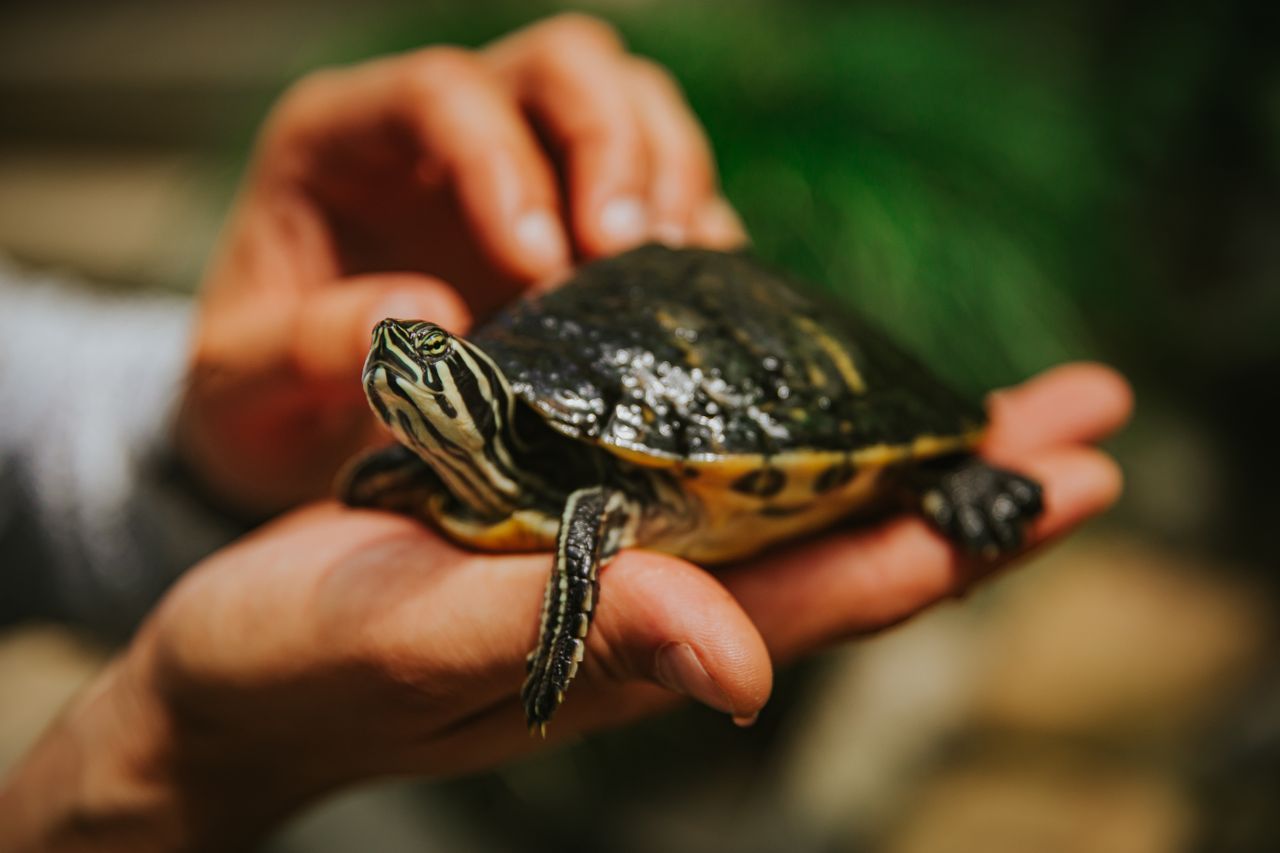
As the clouds gather and the rain starts to fall, it’s important to know how wet weather can impact your pet’s health and behavior. Signs that your pet may be struggling with rainy day conditions include increased scratching or licking, muddy or irritated paws, sneezing, coughing, or wheezing, and changes in appetite or energy. Some pets, such as dogs and cats, may show reluctance to go outside for bathroom breaks, leading to accidents indoors or changes in their normal routine. Birds might start to vocalize more, pluck feathers, or seem restless due to reduced daylight and less opportunity for natural sun exposure. Small mammals like rabbits, guinea pigs, and ferrets may become anxious or hide more often if their living spaces feel damp or drafty. Reptiles and amphibians, sensitive to temperature and humidity changes, might display lethargy, loss of appetite, or difficulty shedding. Noticing these shifts early can help you address problems before they become serious health concerns.
Why Rainy Weather Poses Challenges for Pets
Rainy weather in North Metro Atlanta brings more than just wet paws; it alters your pet’s daily life in several important ways. Mud and standing water can increase the risk of skin infections, especially in breeds with long fur or floppy ears. Increased dampness in the home may create an environment where bacteria and fungi thrive, leading to ear and skin issues, particularly for dogs and cats. The combination of humidity and lower air circulation can aggravate respiratory problems in species like birds and small mammals. For outdoor pets or those who enjoy fresh air by open windows, rainy stretches can mean less exposure to natural light, potentially affecting mood and immune function. Reptiles and amphibians are especially sensitive to environmental changes; improper humidity or temperature can disrupt digestion, shedding, and overall health.
Additionally, rainy weather may contribute to less exercise and more boredom for active pets. Dogs might resist walks in the rain, leading to pent-up energy and behavioral changes. Birds used to daily sunbathing or time outside their cage may become restless or stressed. Small mammals might experience soiled bedding more quickly if moisture seeps into their enclosures. For many exotic pets, maintaining the proper husbandry is even more critical during seasonal changes.
Managing Common Rainy Day Health Issues
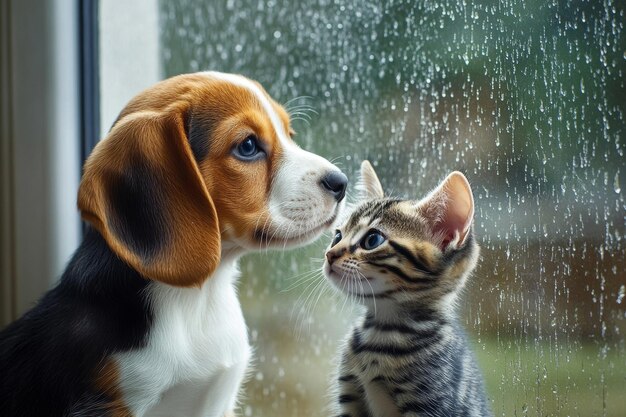
Fortunately, many rainy day pet problems can be managed with thoughtful in-home strategies and support from your veterinary professionals. For dogs and cats, keeping a towel or gentle pet-safe wipes near your entryway makes it easier to clean and dry paws after each trip outside. This helps prevent irritation, fungal infections, and muddy footprints in the house. If your pet has sensitive skin or a history of allergies, regular checks for redness, odor, or hot spots are important; these symptoms may indicate developing skin issues that require veterinary attention. For cats or small dogs who resist going outside, providing a covered litter box or training pads indoors can help maintain healthy bathroom habits until the weather improves.
Bird owners should monitor their feathered friends for any changes in breathing, appetite, or plumage condition during periods of high humidity. Using an indoor air purifier and ensuring good ventilation can help prevent respiratory flare-ups. Bright, full-spectrum lighting is beneficial for birds who spend more time indoors during rainy months; this supports both mood and immune health. For reptiles and amphibians, regular monitoring of enclosure temperature and humidity is vital. Adjusting heat sources, misting routines, or dehumidifiers as needed can prevent complications such as respiratory infections or shedding problems.
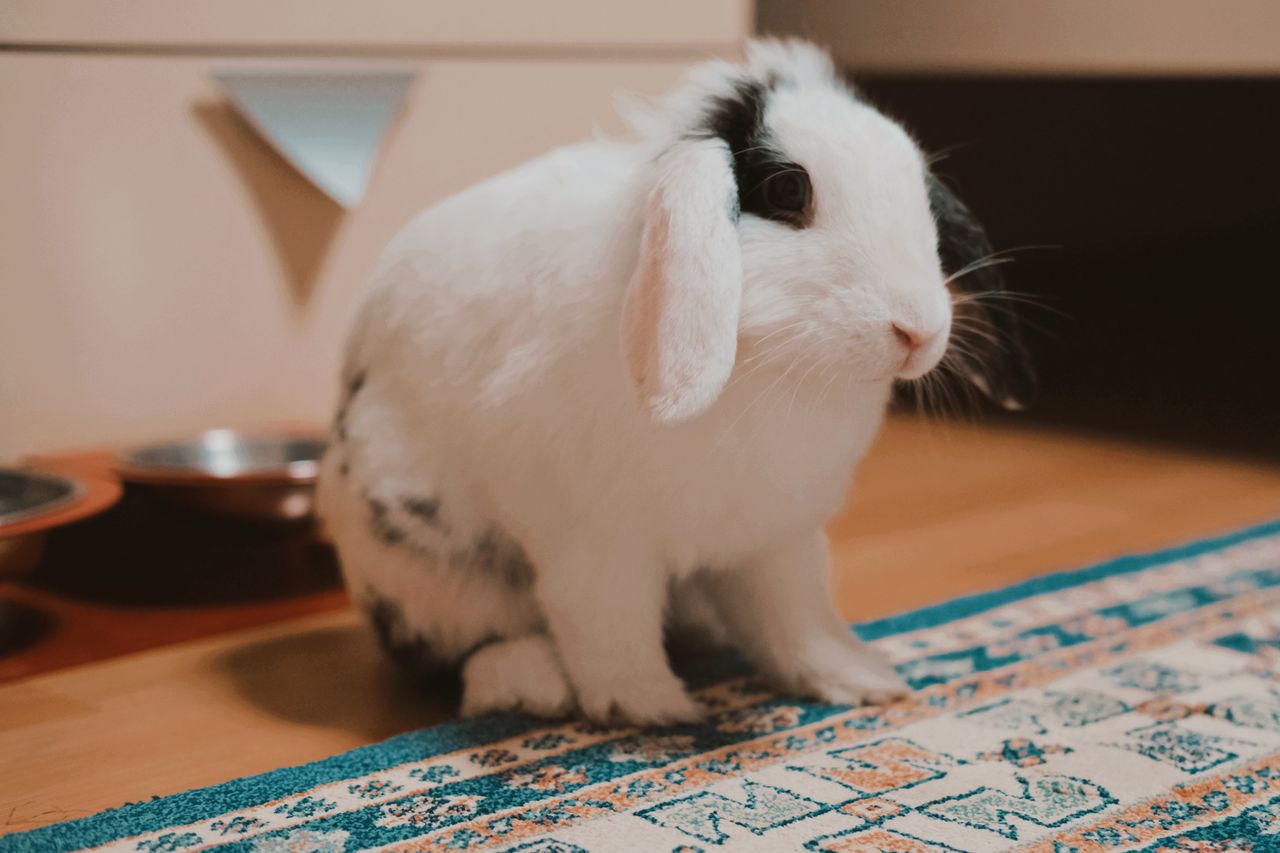
Small mammals benefit from extra bedding changes and ensuring that cages are placed away from drafts and damp areas. If you notice your rabbit, guinea pig, or ferret showing signs of respiratory stress—such as nasal discharge, labored breathing, or lethargy—it’s important to reach out for professional care promptly. For all species, rainy weather can sometimes lead to gastrointestinal upsets, as pets may ingest more debris or bacteria from wet surfaces. If your pet experiences vomiting, diarrhea, or decreased appetite, consult your veterinarian for guidance. Our gastrointestinal upset care page provides more details on what to watch for and how we support pets with tummy troubles.
Preventing Rainy Day Health Problems at Home
Taking proactive steps can help ensure your pets stay comfortable and healthy, even when the weather outside is dreary. For all pets, maintaining a clean and dry indoor environment is the first line of defense. Placing washable mats or rugs at doorways, drying paws and fur after outdoor excursions, and promptly cleaning up any mud or debris can reduce the risk of skin infections and slippery floors. Regularly checking and cleaning ears—especially in dogs with floppy ears—can help prevent ear infections that thrive in damp conditions. Our ear and skin infection services include at-home evaluation and treatment for these common rainy day issues.
Encouraging indoor activity is essential for pets who may be less active in wet weather. Puzzle feeders, interactive toys, and safe play areas give dogs, cats, and small mammals an outlet for energy and mental stimulation. Birds benefit from enrichment items, such as swings, mirrors, or foraging opportunities, to keep them engaged. For reptiles and amphibians, closely monitor habitat conditions with reliable thermometers and hygrometers, and adjust as needed to match each species’ requirements.
Nutrition plays a key role during seasonal changes. Ensuring your pet is eating a balanced diet appropriate for their species, age, and activity level supports immune function and overall well-being. Our veterinary professionals offer preventative care services and nutrition counseling tailored to a wide variety of species, including exotics. Regular wellness checks—even when pets seem healthy—allow for early detection of issues before they become problematic.
When to Seek In-Home Veterinary Care
While many minor concerns can be managed at home with attentive care, some rainy day pet health issues require professional help. Contact your mobile veterinarian promptly if you observe persistent skin irritation, open sores, or signs of infection such as redness, swelling, or discharge. Respiratory symptoms, including coughing, sneezing, wheezing, or labored breathing—especially in birds, small mammals, or reptiles—should always be evaluated without delay. Gastrointestinal symptoms like vomiting, diarrhea, or refusal to eat that last longer than 24 hours, or that are accompanied by weakness or signs of pain, also warrant immediate attention.
Behavioral changes, such as sudden hiding, aggression, or listlessness, can be early indicators of illness that may not be immediately obvious. If you are concerned about your pet’s quality of life, mobility, or comfort during rainy weather, our veterinary team can perform quality of life assessments and provide supportive care right in your home. Pet owners in North Metro Atlanta and neighboring communities trust AnimALL Mobile Veterinary Service for compassionate, species-specific care tailored to each animal’s needs.
For families with exotic pets, you can find additional resources on our exotic pet medicine page, which covers in-home veterinary options for birds, reptiles, and small mammals.
Choosing a Mobile Vet Near Me for Rainy Day Pet Care
When searching for a mobile vet near me, it’s important to choose a provider who understands the unique needs of your pets and the challenges posed by North Metro Atlanta’s rainy season. AnimALL Mobile Veterinary Service brings the expertise of Dr. Colleen Roman and our entire team of veterinarians directly to your doorstep. We help you maintain a healthy, happy home for your pets, even on the wettest days, delivering comprehensive care with less stress for both you and your animals.
Our service area covers North Metro Atlanta and surrounding communities, ensuring that families from Brookhaven to Sandy Springs and Dunwoody can access personalized veterinary care without leaving the comfort of their homes. By offering everything from wellness exams to illness management and exotic pet care, we help you weather the storm with confidence and peace of mind.
Ready to schedule an in-home visit or have questions about rainy day pet care? Visit our pet owner FAQs for more information, or call AnimALL Mobile Veterinary Service at (770) 766-4858. Our veterinary professionals are always here to support you and your pets through every season.
This blog is for educational purposes only and does not replace professional veterinary advice. If your pet is experiencing an emergency or severe symptoms, contact your veterinarian immediately for guidance and care.