Caring for Exotic Pets in Atlanta's July Heat


Caring for Exotic Pets in Atlanta's July Heat
July in North Metro Atlanta brings intense humidity and soaring temperatures, which can be especially challenging for owners of exotic animals. If you share your home with birds, reptiles, small mammals, or backyard poultry, keeping them safe and comfortable during the muggy Atlanta summer requires dedicated, species-specific attention. At AnimALL Mobile Veterinary Service, our team understands just how stressful it can be to transport sensitive exotics to a traditional clinic environment; that’s why we offer in-home care, bringing high-quality veterinary expertise directly to your door throughout North Metro Atlanta and surrounding communities. In this blog, we’ll explore the most common signs of heat stress in exotic pets, explain why these animals are especially vulnerable in July, and share practical steps you can take to prevent heat-related emergencies at home. You’ll also learn how our mobile veterinary service provides personalized guidance and support—without the stress of a clinic visit.
Whether you’re wondering how to keep your parrot cool, your guinea pig hydrated, or your gecko content, you’ll find compassionate, practical advice here. And if you ever need help beyond what you can provide at home, our team is ready to assist right where your animals feel safest.
Recognizing Heat Stress in Exotic Pets
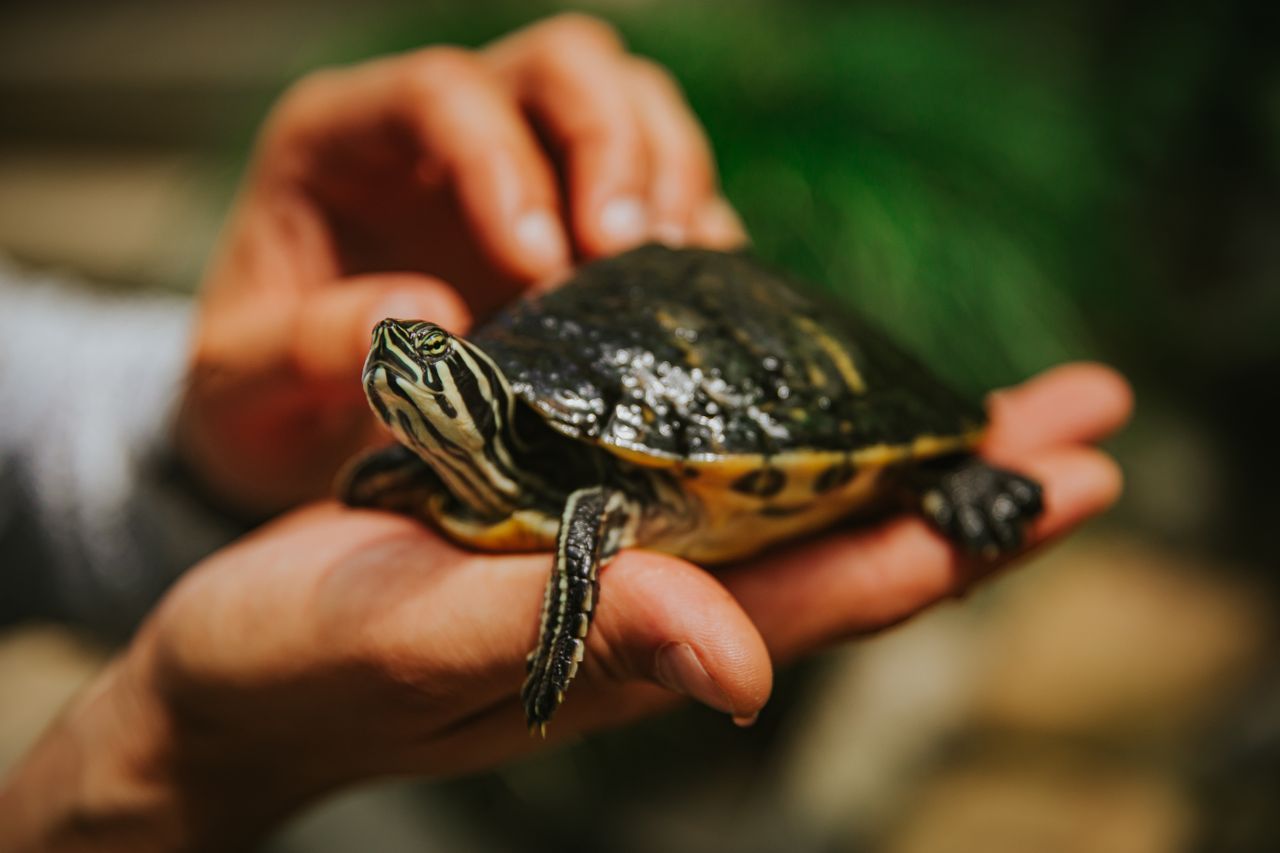
Exotic animals often hide signs of discomfort or illness, making it essential for owners to be vigilant during Atlanta’s hottest months. Heat stress can develop quickly, sometimes in just a matter of hours, and different species will show distress in their own unique ways. For instance, birds may pant, hold their wings away from their bodies, or act unusually lethargic. Signs of overheating in small mammals such as rabbits, guinea pigs, or chinchillas include rapid breathing, drooling, a lack of appetite, or lying stretched out and unresponsive. Reptiles like bearded dragons or turtles may become less active, display gaping (open-mouth breathing), or show abnormal skin color.
Backyard poultry can also be heavily affected by July’s heat. Warning signs for chickens and other birds include open-mouth breathing, holding their wings out, decreased egg production, or even collapse. It’s important to note that many exotic species are more at risk of heat stress than cats and dogs, both because of their unique physiology and their reliance on environmental conditions in their enclosures or coops.
If your exotic animal displays any of these symptoms—panting, drooling, lethargy, loss of appetite, or abnormal behavior—immediate action is needed to cool them down and seek veterinary advice. The sooner you recognize these warning signs, the better the chances of preventing a heat-related emergency at home.
Why Atlanta’s July Climate Is Risky for Exotic Animals
Atlanta’s climate poses specific challenges for exotic pets, many of which originate from regions with vastly different temperature and humidity profiles. While some reptiles hail from arid deserts, others are accustomed to tropical rainforests with constant humidity, and many small mammals evolved in cooler, shaded environments. When outdoor temperatures routinely climb into the upper 80s and 90s with high humidity, indoor environments can also become hazardous—especially if air conditioning falters or direct sunlight overheats animal enclosures.
Birds are especially at risk in homes without proper ventilation or when kept near windows where sunlight intensifies the heat. Rabbits, guinea pigs, and chinchillas are unable to sweat or pant efficiently, so they can overheat with alarming speed. Reptiles are dependent on their environment and cannot regulate their body temperature internally, making improper enclosure setups a recipe for trouble. Backyard poultry, while hardy, can also suffer in Atlanta’s muggy summer if shade and fresh water are not always available.
The combination of stagnant air, humidity, and direct sunlight can turn any enclosure, coop, or room into a dangerous hotspot in a short period. That’s why it’s crucial to understand your animal’s unique needs and monitor microclimates within your home or backyard during the peak of summer.
Managing and Treating Heat Stress: Professional Guidance at Home
If you suspect your exotic animal is suffering from heat stress, the first step is to move them to a cooler, shaded area and provide access to fresh, cool water (if appropriate for the species). For birds, gently misting them with lukewarm water can help, while for small mammals, placing damp towels near—but not on—the animal may reduce ambient temperature. Never use ice-cold water directly, as this can cause shock.
For reptiles, reducing enclosure temperatures by turning off heat lamps and providing a shallow water dish for soaking can be beneficial. If you keep backyard poultry, moving them to a shaded location and gently cooling their legs with water can offer relief.
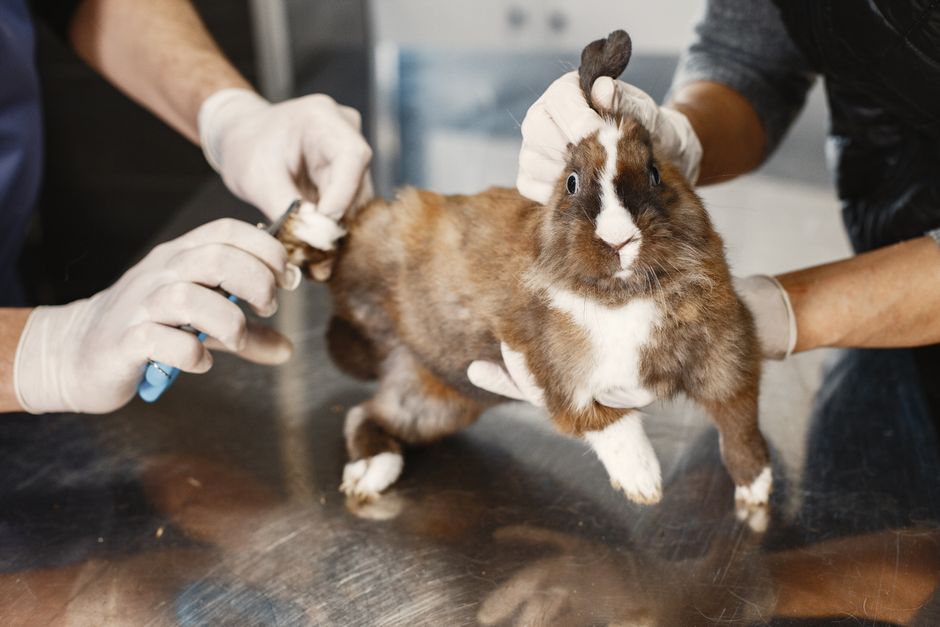
Professional veterinary intervention is necessary if your animal remains lethargic, refuses food or water, or shows worsening symptoms after initial home care. The AnimALL Mobile Veterinary Service team can provide calming, in-home assessments using a Fear-Free approach that keeps your animal in familiar surroundings. Our veterinarians offer species-specific exotic pet care in North Metro Atlanta, including hands-on evaluations, hydration support, and tailored treatment plans to address heat-related emergencies. We can also guide you through emergency cooling techniques and provide recommendations for improving your animal’s environment to prevent future incidents.
Preventing Heat Stress in Birds, Reptiles, Small Mammals, and Poultry
Prevention is always preferable to treatment, especially when it comes to sensitive exotic animals in Atlanta’s summer climate. To keep your birds healthy, ensure their cages are positioned away from direct sunlight and that air circulates freely in the room. Use fans or air conditioning to maintain a safe ambient temperature, and keep water fresh and accessible at all times. For more in-depth guidance, our team offers avian husbandry counseling to help you create the safest possible environment.
When it comes to reptiles, always monitor enclosure temperatures with accurate thermometers and hygrometers. Adjust heat sources and misting schedules as needed to prevent overheating; remember, what feels comfortable to you may be too warm for a lizard or snake accustomed to cooler microclimates. If you have questions about optimal husbandry, our practice provides lizard husbandry counseling and similar species-specific advice for other reptiles.
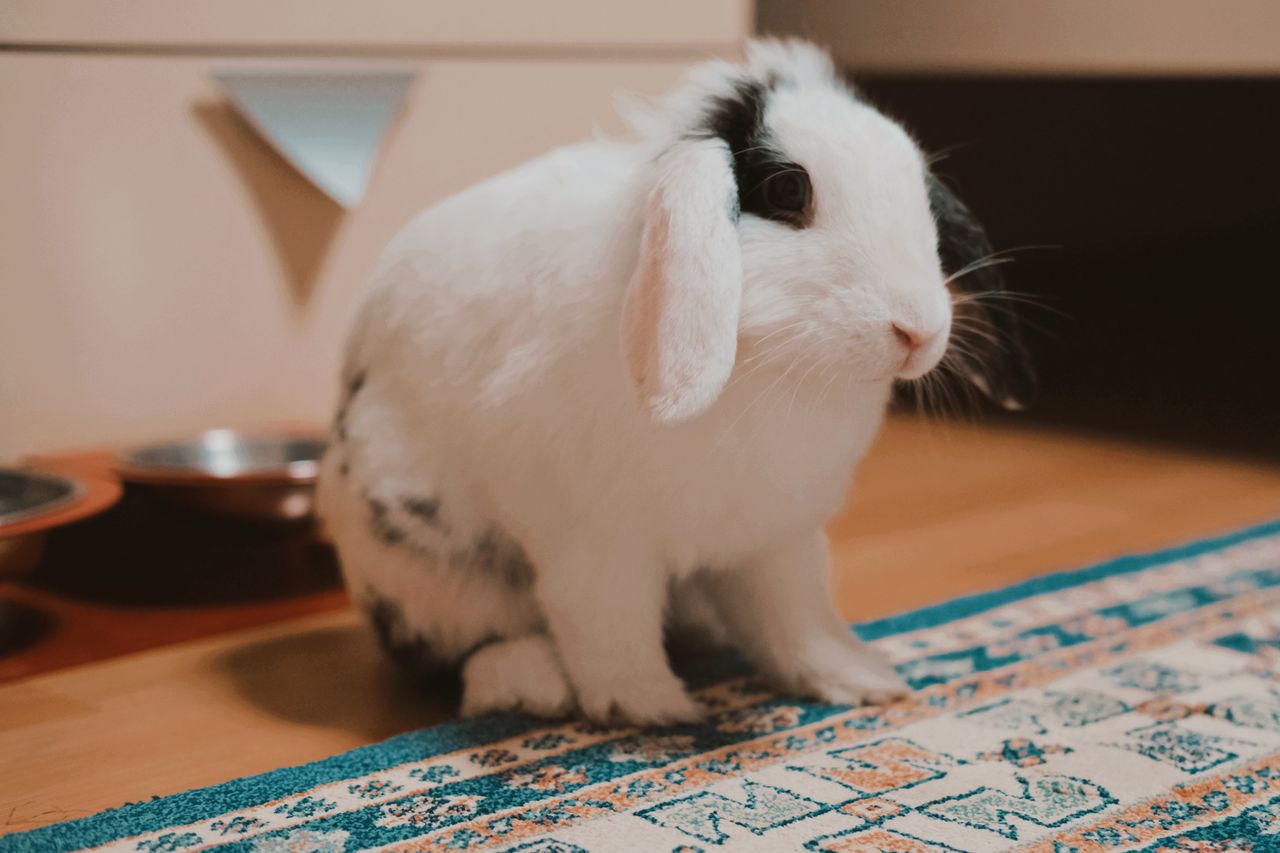
Small mammals such as guinea pigs, rabbits, and chinchillas should be kept indoors during the hottest part of the day, ideally in rooms that do not receive direct sunlight. Providing ceramic tiles or frozen water bottles wrapped in towels for your animal to lean against can offer a cool spot to rest. Always ensure bedding is clean and dry, as damp bedding can increase humidity and discomfort.
For backyard poultry, shade and ventilation are essential. Make sure your coop or run has plenty of airflow and that your birds have constant access to cool, clean water. During extreme heat, adding electrolytes to their water may help them cope with the stress. Our team can advise on best practices for poultry care during the summer, including backyard poultry husbandry help and nutrition guidance.
When to Seek Veterinary Care for Heat-Related Issues
Even with the best preventive measures, emergencies can occur. If your exotic animal remains unresponsive to home cooling efforts, stops eating or drinking, or shows signs of rapid decline, contact a veterinarian immediately. Birds that are fluffed up and not moving, reptiles that are limp and unresponsive, or small mammals that are panting heavily and unable to stand are experiencing medical emergencies that require prompt attention.
Mobile veterinary care offers a unique advantage for exotic pets in distress. Rather than risking additional stress from transport, AnimALL Mobile Veterinary Service brings experienced care to your home, allowing for prompt intervention tailored to your animal’s species and environment. Our veterinary team is equipped to handle urgent situations for birds, reptiles, small mammals, and backyard poultry, and can provide recommendations for ongoing care once the immediate crisis has passed.
If you’re unsure whether your animal’s symptoms warrant a call, it’s always better to err on the side of caution. Quick action can save lives, especially for exotics that hide illness until it becomes severe.
Supporting Atlanta’s Exotic Animal Community—In the Comfort of Your Home
Caring for exotic animals during Atlanta’s July heat requires vigilance, specialized knowledge, and a willingness to adapt your home environment for your animal’s unique needs. By recognizing early signs of heat stress, understanding the impact of Georgia’s summer climate, and taking preventive steps, you can help your birds, reptiles, small mammals, and backyard poultry thrive even during the hottest months.
AnimALL Mobile Veterinary Service is dedicated to supporting exotic animal owners with convenient, stress-free home visits throughout North Metro Atlanta and surrounding communities. Our veterinarians provide guidance on everything from species-specific exotic pet care to avian husbandry counseling and lizard husbandry counseling, all designed to keep your unique animals healthy and comfortable year-round.
If you ever find yourself searching for a mobile vet near me who truly understands exotic species, remember our team is just a call away. To schedule an in-home visit or request expert advice, reach out to AnimALL Mobile Veterinary Service at (770) 766-4858 or visit our website at AnimALLvet.com. Our compassionate veterinary professionals are here to help your exotic animals beat the Atlanta heat—right in the comfort of your own home.
Medical disclaimer: This blog is for informational purposes only and does not replace professional veterinary diagnosis or treatment. If your exotic animal is experiencing symptoms of heat stress, contact a veterinarian immediately for personalized care.