How to Safeguard Exotic Pets in Atlanta’s Summer Storms


How to Safeguard Exotic Pets in Atlanta’s Summer Storms
Summer in North Metro Atlanta, GA, is famous for its heat, humidity, and sudden thunderstorms. For owners of exotic pets—whether you care for birds, reptiles, small mammals like rabbits or ferrets, or even backyard chickens—these seasonal conditions can create real risks. From temperature spikes to dramatic pressure drops and power outages, summer storms can stress exotic species in ways that aren’t always obvious. At AnimALL Mobile Veterinary Service, our mission is to bring compassionate, species-specific veterinary care directly to your home, so your animals stay healthy and comfortable without the added stress of travel. In this blog, you’ll find expert advice on recognizing storm and heat stress in exotic pets, understanding why these issues occur, and discovering practical ways to keep your animals safe and calm during unpredictable summer weather in Atlanta and surrounding communities. You’ll also learn when it’s time to reach out for an in-home visit and how our mobile veterinary team can support you and your animals—right where you need us most.
Recognizing Summer Storm and Heat Stress in Exotic Pets
Atlanta’s July heat and pop-up thunderstorms can create challenging conditions for exotic animals. Unlike dogs and cats, many exotics have unique environmental needs and can’t easily regulate their body temperature or cope with sudden changes. Warning signs of heat or storm stress vary by species, but there are some common symptoms to watch for.
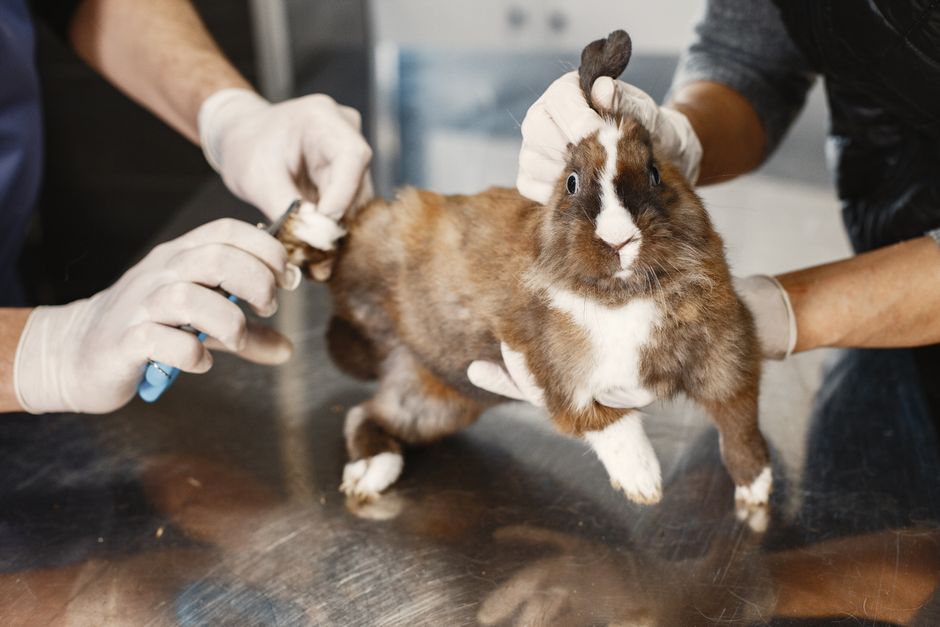
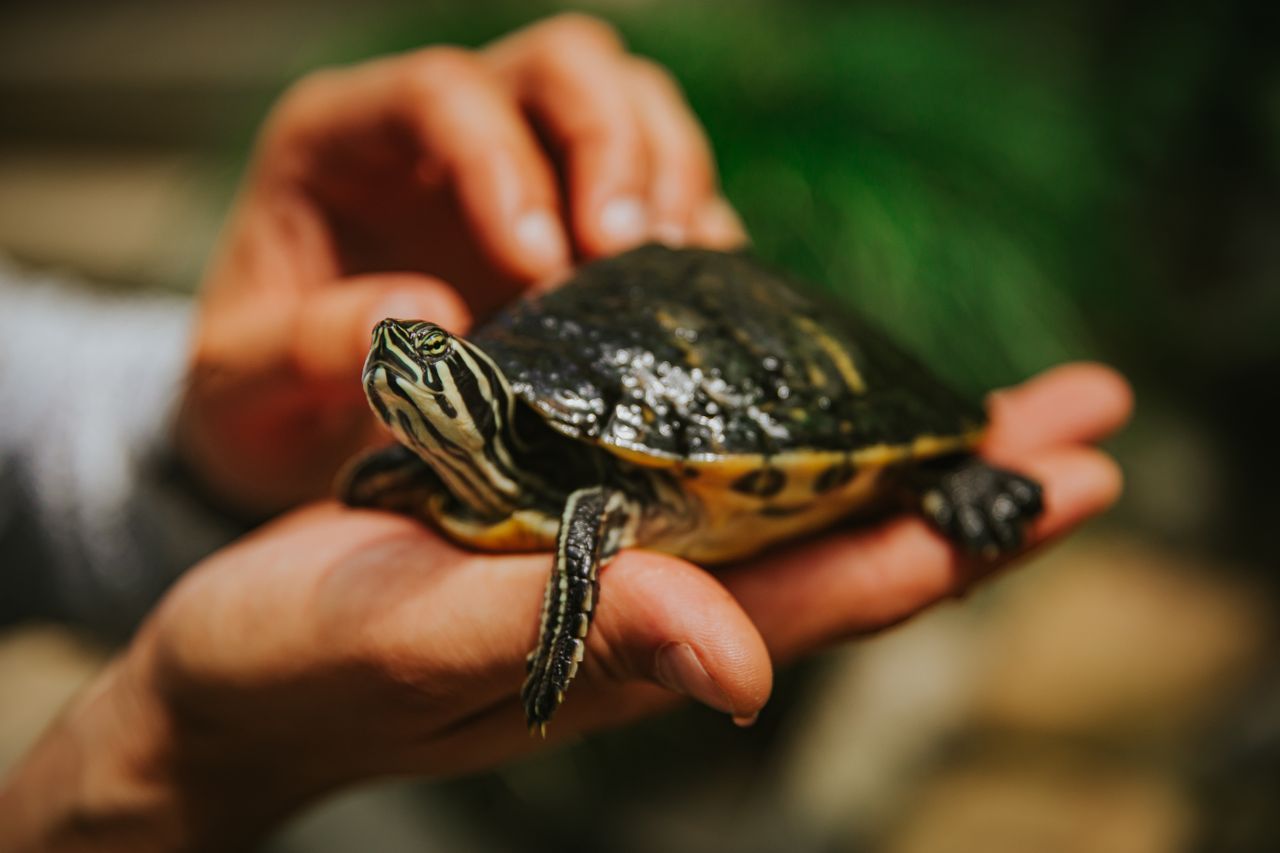
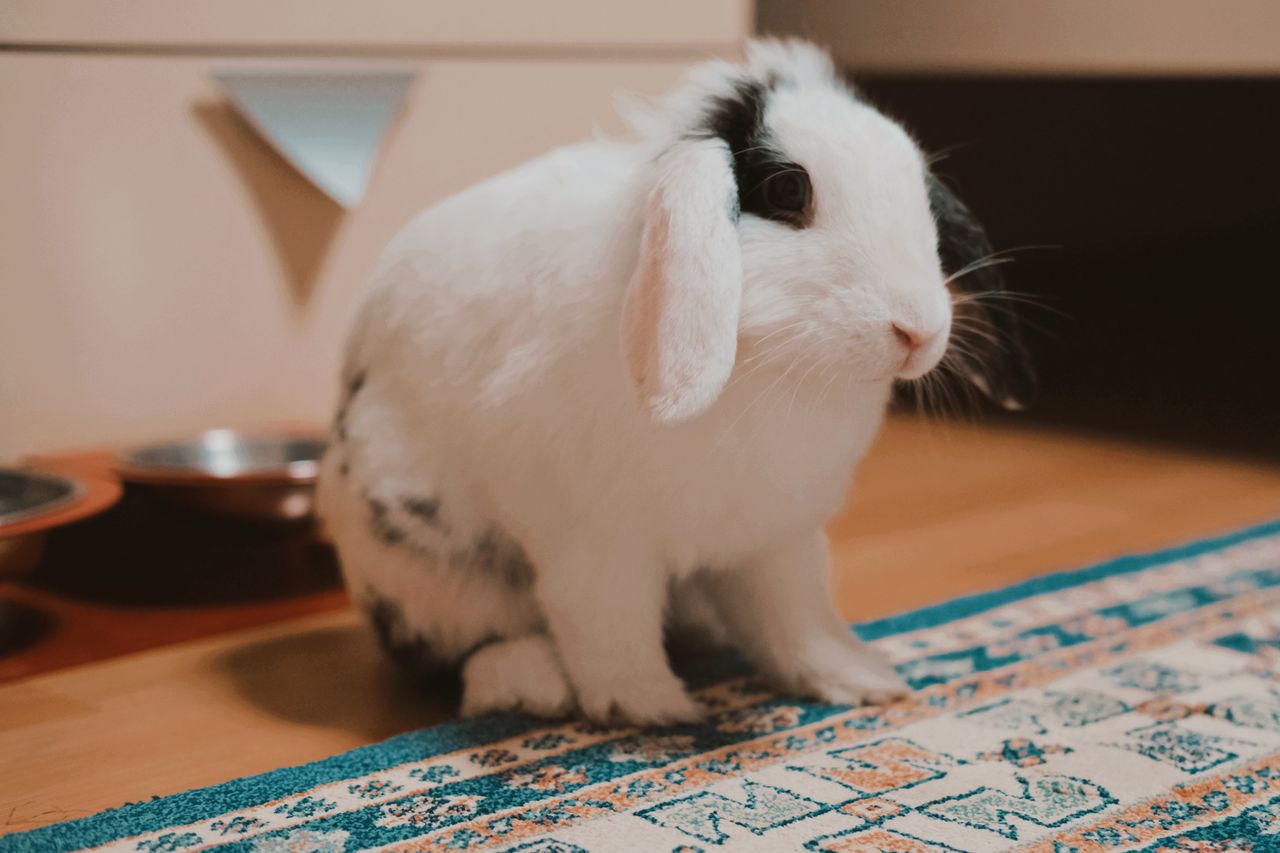
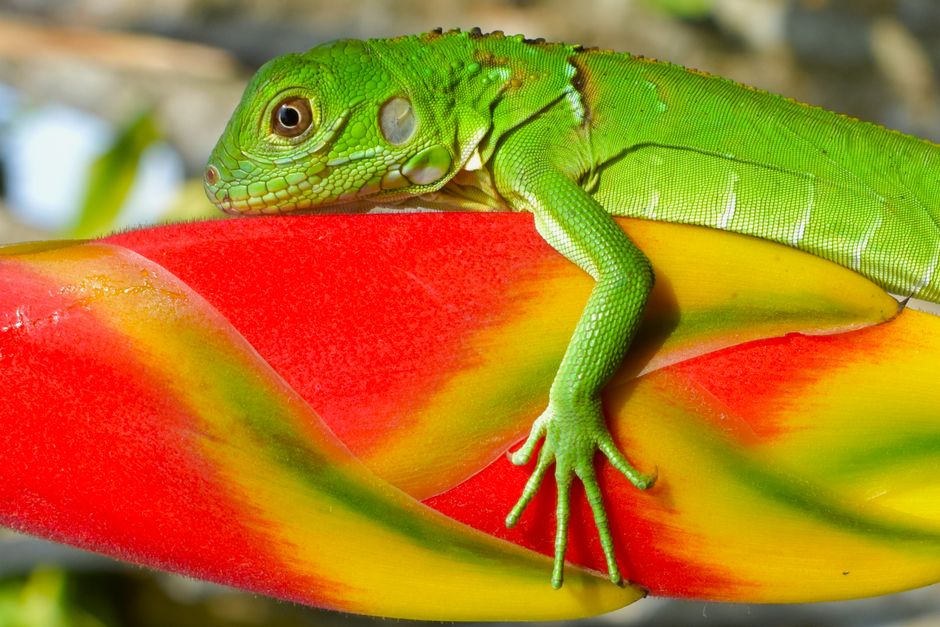
Birds may exhibit open-mouth breathing, holding their wings away from their body, excessive vocalization, feather fluffing, or even collapse. Reptiles such as lizards, snakes, or turtles may become lethargic, refuse food, or display abnormal basking or hiding behaviors; in severe cases, they might show neurological signs like tremors or unresponsiveness. Small mammals, including rabbits, guinea pigs, ferrets, or chinchillas, can struggle with panting, drooling, hiding, frantic digging, or lying flat and unresponsive. Backyard poultry often show heat stress by spreading their wings, panting, or avoiding movement altogether.
Other signs that your exotic animal may be struggling include reduced appetite, sudden aggression or withdrawal, trembling, or frantic attempts to escape their enclosure during loud thunder or heavy rain. If you notice any of these behaviors during or after a storm, your animal is likely experiencing stress and may need immediate support.
Why Are Exotic Pets Vulnerable During Atlanta’s Summer Storms?
Understanding why exotic pets are at risk during our region’s summer weather is key to prevention. Many exotic species come from environments very different from Atlanta’s hot, humid climate. Birds such as parrots may originate from tropical regions, but even they can be highly sensitive to rapid temperature swings or loud noises. Reptiles depend on stable heat gradients; sudden power outages or temperature fluctuations during a storm can quickly become dangerous for snakes, lizards, or turtles. Small mammals, like guinea pigs and rabbits, are prone to overheating because their bodies are not efficient at releasing excess heat, and stress from thunder or lightning can exacerbate respiratory or cardiac issues.
Summer storms also increase the risk of power outages, which can disrupt heating or cooling devices essential for maintaining the correct environment in terrariums, aquariums, or cages. High humidity, coupled with stagnant air, can create respiratory problems or promote rapid bacterial growth. For backyard poultry, sudden cooling rains after intense heat can lead to shock or illness, while flooded coops risk exposure to pathogens.
It’s important to remember that exotic pets often hide signs of distress until the situation becomes severe. Their unique biology and husbandry requirements mean that changes in the home environment, even over just a few hours, can have a major impact on their health.
Managing Heat and Storm Stress: Professional Care for Exotics
When exotic pets experience heat or storm stress, prompt action is critical. The first step is to stabilize their environment as quickly as possible. For birds, move the cage away from windows and cover it with a light cloth to muffle noise and block sudden flashes of lightning, while ensuring proper ventilation. Reptiles may need temporary relocation to a safe, temperature-controlled area using battery-powered heating pads or insulated carriers. Small mammals like rabbits and ferrets benefit from quiet, dark spaces with access to cool water and gentle reassurance.
If your animal shows moderate to severe symptoms such as collapse, uncontrolled shaking, or unresponsiveness, immediate veterinary intervention is essential. Our mobile veterinary team at AnimALL Mobile Veterinary Service is equipped to provide in-home stabilization for exotic species, including oxygen therapy, fluid support, and rapid assessment of husbandry conditions. For birds showing respiratory distress or poultry suffering from shock, our veterinarians can deliver supportive care and guidance right in your home, minimizing additional stress.
If you’re unsure about the severity of your animal’s symptoms, a telemedicine consultation can be a valuable first step. We offer telemedicine veterinary services for established clients to help you evaluate whether an in-home visit is needed. Our team will guide you through emergency husbandry adjustments and create a plan for follow-up care if necessary.
Preventing Summer Storm and Heat Risks at Home
Proactive steps can dramatically reduce the risk of summer storm and heat stress for your exotic pets. For all species, ensure their enclosures or habitats are kept in a temperature-stable area of your home—ideally away from drafty windows or exterior doors. Consider using battery-operated fans or backup power supplies for essential heating or cooling equipment, especially for reptiles and amphibians that rely on precise temperature gradients.
Monitor humidity and temperature with reliable thermometers and hygrometers. For birds, maintain good ventilation, avoid placing cages in direct sunlight, and provide fresh water at all times. Small mammals should have access to ceramic tiles or frozen water bottles wrapped in towels to help them cool off during heat waves. For backyard poultry, make sure coops are elevated, well-ventilated, and protected from both excessive sun and flooding; offer shade and shallow dishes of water for foot cooling.
Preparing a storm plan in advance is crucial. Identify a quiet room where animals can be relocated during severe weather. Keep essential supplies—food, water, medications, and portable heat sources—in a grab-and-go kit. For birds, reptiles, and mammals with specific dietary or environmental needs, keep written instructions handy in case of an emergency or power outage.
If you need guidance on the best setup for your animal’s species, our veterinarians offer husbandry counseling for pets, including exotics. We can help you create a safe, stress-minimized home environment tailored to your animal’s needs, whether you’re in North Metro Atlanta or surrounding communities.
When to Request In-Home Veterinary Care for Exotic Pets
Deciding when to call a mobile veterinarian for your exotic animal can be challenging. Immediate attention is necessary if your bird, reptile, small mammal, or poultry is struggling to breathe, unable to stand, having seizures, or is unresponsive to your attempts at comfort. Persistent symptoms following a storm—such as ongoing lethargy, loss of appetite, continuous abnormal behaviors, or visible injury—also warrant prompt evaluation.
If you are ever uncertain, it’s safer to reach out. Our mobile veterinary team can assess your animal in the comfort of your home, reducing stress and ensuring that species-specific needs are addressed without delay. We routinely serve North Metro Atlanta and nearby communities, bringing full-service care to your door. For owners seeking peace of mind, a preventative wellness check or a species-specific in-home veterinary care appointment can provide reassurance and expert guidance before the next storm season intensifies.
In non-urgent situations, telemedicine can help you determine next steps and manage minor concerns under professional supervision. However, for any signs of severe distress or rapid deterioration, in-home veterinary assessment is always the best course of action.
Supporting Atlanta’s Exotic Animals—Your Mobile Veterinary Resource
Caring for exotic pets during Atlanta’s unpredictable summer storms requires planning, vigilance, and access to expert support. By recognizing early signs of stress, understanding your animal’s unique vulnerabilities, and taking steps to create a safe home environment, you can dramatically reduce the risks posed by heat and severe weather. Remember, AnimALL Mobile Veterinary Service is here to support you every step of the way. Whether you need in-home care, telemedicine advice, or preventive husbandry counseling, our veterinary professionals are committed to keeping your birds, reptiles, small mammals, or poultry safe and healthy—right in the comfort of your home.
If you are searching for a mobile vet near me who truly understands the needs of exotic species, look no further than our team. For questions, urgent concerns, or to schedule an in-home visit, call (770) 766-4858 or visit AnimALL Mobile Veterinary Service online. Together, we’ll help your exotic animals weather Atlanta’s summer storms safely and comfortably.
Medical Disclaimer: This blog is intended for educational purposes only and does not substitute for professional veterinary care. If your exotic animal is experiencing an emergency or if you are concerned about their health, contact a veterinarian immediately.