How a Mobile Vet Makes Pet Care Easier in February


How a Mobile Vet Makes Pet Care Easier in February
When the chilly winds and rainy days of February roll through North Metro Atlanta, many pet owners find themselves facing new challenges in keeping their furry, feathered, and scaled companions healthy and comfortable. The thought of bundling up your dog or coaxing your cat into a carrier in the cold, or worrying about your exotic pets’ sensitivity to temperature changes, can make a trip to the vet feel daunting. That is where a mobile vet like AnimALL Mobile Veterinary Service can truly make a difference. By bringing comprehensive veterinary care directly to your home, our team helps reduce pet stress, provides a more relaxed environment, and tailors every visit to your pet’s unique needs. In this article, we will explore how a mobile vet in North Metro Atlanta simplifies pet care during February, focusing on wellness exams for dogs, cats, birds, reptiles, and small mammals, all while supporting cold-weather health and convenience for you and your pets.
As we guide you through the benefits of in-home veterinary visits, you will discover how personalized attention, species-specific care, and stress-free service can make February a month of wellness for every member of your animal family. You can also learn more about the ways a mobile vet can enhance your pet care experience by visiting our page on why choose a mobile veterinarian.
Recognizing When Your Pet Needs a Mobile Vet in February
February in North Metro Atlanta is known for its unpredictable weather, with temperatures often swinging between damp cold and the occasional warm afternoon. These fluctuations can affect pets in several ways, making it important to recognize when your pet might benefit from a visit from a mobile vet. For dogs and cats, signs such as shivering, reluctance to go outside for walks or bathroom breaks, changes in appetite, or symptoms of respiratory discomfort can all be more pronounced during colder months. Exotic pets, including birds, rabbits, reptiles, and small mammals, may show increased stress, lethargy, changes in eating or drinking habits, or signs of illness as their enclosures respond to drafts or sudden temperature drops.
In February, you might also notice your pet’s skin and coat becoming dry or flaky, which can be a result of lower humidity indoors. Additionally, pets with chronic conditions like arthritis may appear stiffer or more uncomfortable, as cold, damp weather can exacerbate joint pain. Birds or reptiles that are sensitive to environmental changes may show subtle signs like feather fluffing, reduced activity, or changes in vocalization or coloration.
Recognizing these early warning signs is key. Since many pets hide discomfort, especially in an unfamiliar clinic setting, in-home wellness examinations allow our veterinary professionals to observe your pet in their natural environment, helping to catch subtle symptoms that might otherwise go unnoticed. Our mobile vet service is designed not only to diagnose and treat illness but also to make preventative care more accessible and less stressful during the winter months.
Why February’s Weather Demands Extra Attention for Pet Health
Colder, wetter months in North Metro Atlanta require pet owners to be particularly vigilant about environmental changes that could impact their animals. Indoor heating, for example, often leads to dry air, which can irritate respiratory tracts, especially in small mammals and birds. Drafts from windows or doors can cause temperature fluctuations in reptile or bird enclosures, while rain and mud can lead to skin and paw problems in dogs and cats. Pets that spend more time indoors may experience decreased physical activity, putting them at risk for weight gain or behavioral issues.
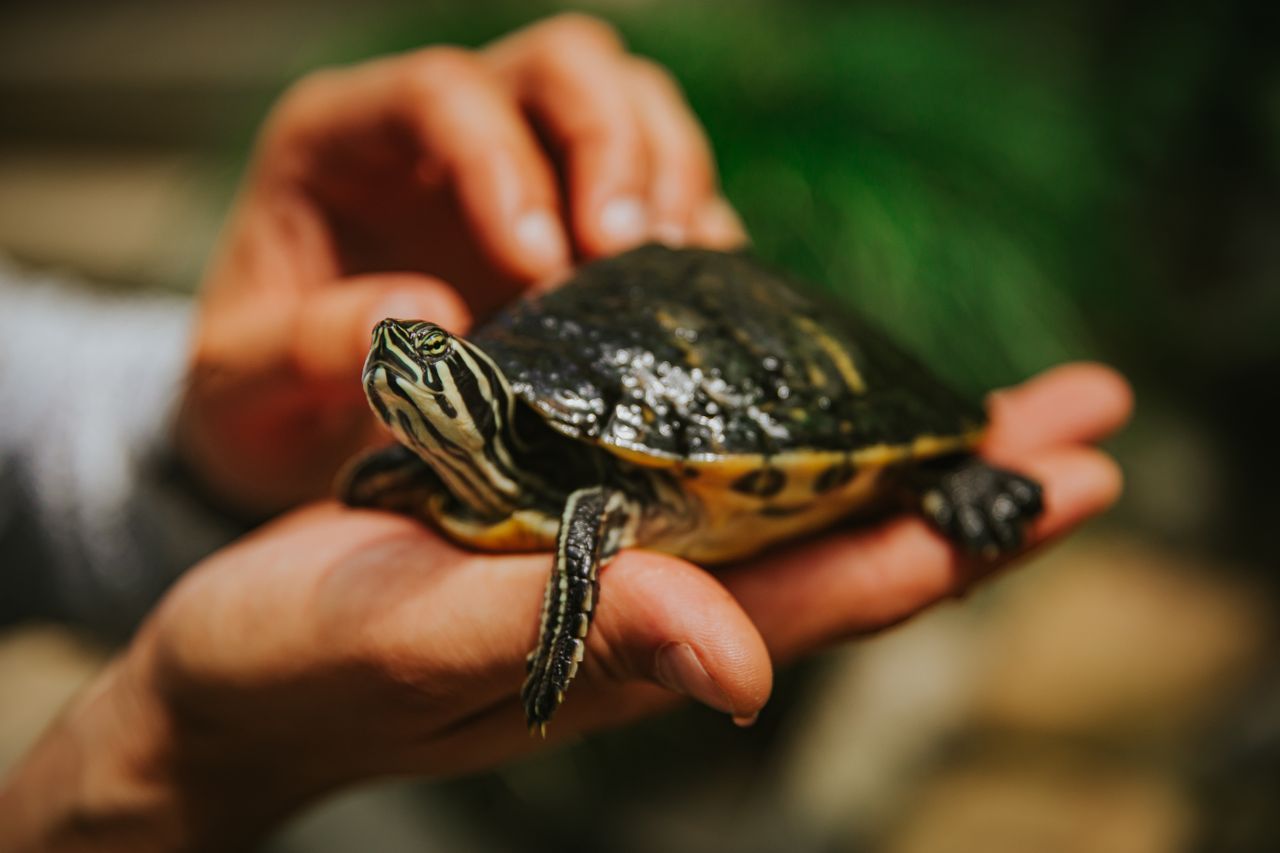
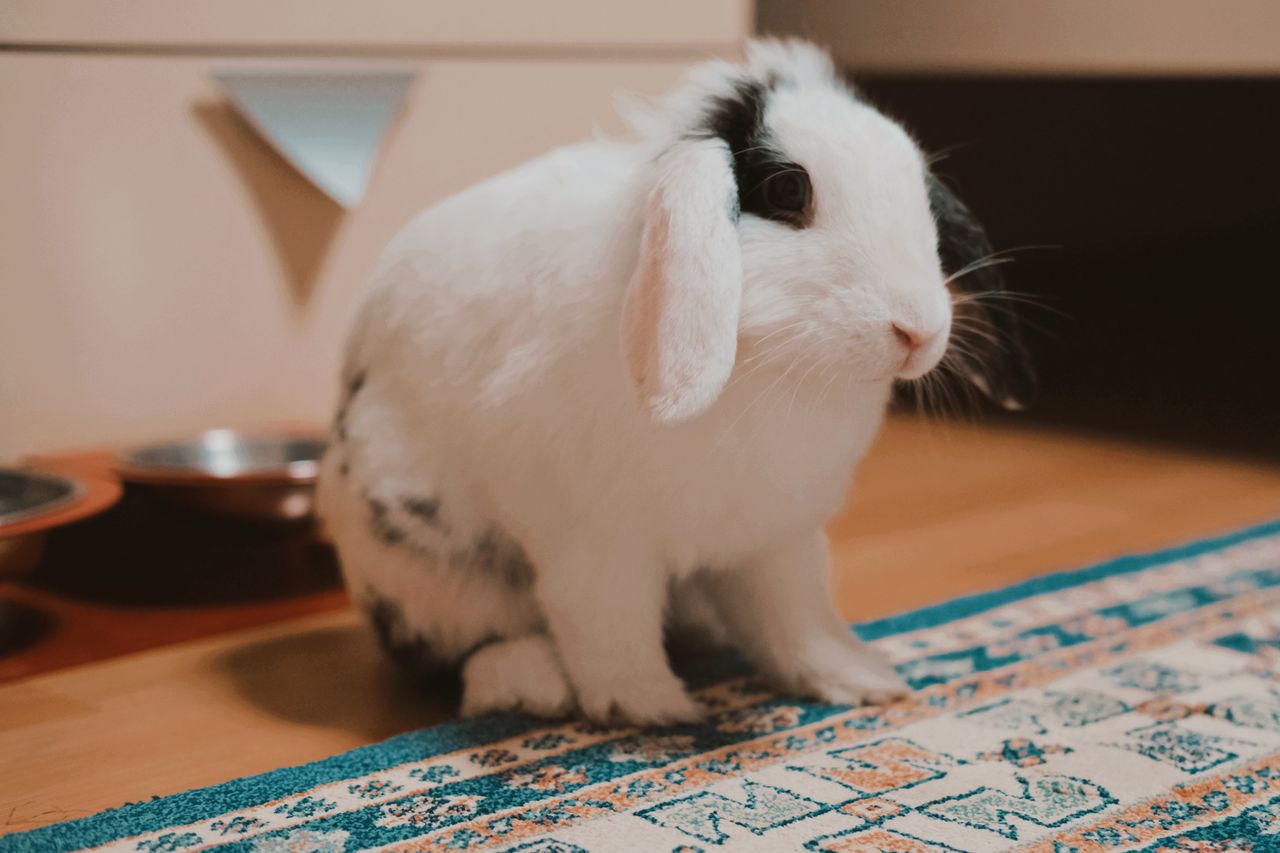
For exotic pets, environmental stability is crucial. Birds need consistent warmth and humidity, while reptiles depend on precise temperature gradients and UV lighting. When February brings sudden cold snaps, even a brief dip in temperature can stress these species, potentially leading to illness. Small mammals such as guinea pigs, rabbits, and ferrets are also sensitive to cold drafts and may be less likely to show illness until it becomes serious.
For senior pets or those with chronic health conditions, the colder season can worsen symptoms. Stiffness, joint pain, or respiratory flare-ups are more common, making it essential for pet owners to monitor their pets closely and address any changes with prompt veterinary attention. The convenience of a mobile vet ensures that care is always accessible, even when the weather makes traveling with your pet more challenging.
The Convenience and Comfort of In-Home Pet Care
Choosing a mobile vet in North Metro Atlanta brings a host of benefits, especially during the colder, rainier days of February. The most immediate advantage is the elimination of stressful car rides and time spent waiting in a clinic lobby. Pets remain in the comfort of their home, where they feel safe and secure, which is particularly valuable for animals that are anxious, elderly, or easily stressed by unfamiliar environments.
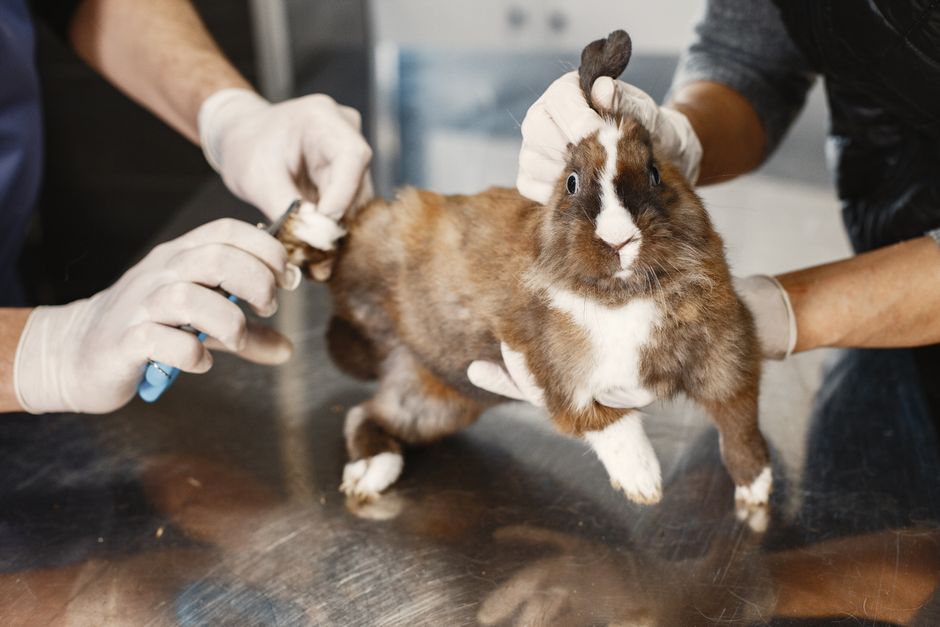
During a house call, our veterinary professionals are able to observe your pet’s normal behavior, assess their living environment, and provide tailored recommendations for husbandry, nutrition, and enrichment. This is especially important for exotic pets, where subtle factors like enclosure setup, humidity, and lighting play a direct role in health. Our team is experienced in caring for a wide variety of species, including birds, reptiles, small mammals, and poultry, ensuring each pet receives individualized attention.
The February weather can be unpredictable, but scheduling a visit from a mobile vet means you do not have to worry about getting your pet to the clinic in the cold or rain. Instead, you can focus on your pet’s comfort and health, knowing that comprehensive care—including wellness exams, vaccinations, diagnostics, and even preventative care services—is available right in your living room.
Professional Veterinary Services Tailored for Cold Weather
Our mobile vet services are designed to meet the unique needs of every pet, from routine wellness exams to complex medical concerns. In February, particular attention is given to issues that can arise due to cold weather and changes in home environments. During an in-home visit, our veterinarians conduct a thorough physical examination of your pet, checking for signs of respiratory illness, skin or coat problems, joint stiffness, and dental health. For exotic pets, we assess enclosure temperature and humidity, diet, and behavior to ensure optimal winter wellbeing.
Vaccinations remain an important part of pet health throughout the year, and our team provides pet immunizations during house calls to protect against common illnesses. For pets with ongoing medical needs, our mobile diagnostic capabilities allow us to perform lab tests, screen for infections, and monitor chronic conditions without the need for you to travel.
For pets nearing the end of life or those with advanced medical concerns, compassionate hospice care and in-home euthanasia are also available, providing comfort and dignity during difficult times. Our hospice care and in-home euthanasia services allow your pet to remain at home, surrounded by loved ones, free from the stress of clinic visits.
Keeping Your Pet Healthy at Home: Tips for February
Supporting your pet’s health during February involves a mix of practical steps and attentive observation. For dogs and cats, ensure they have a warm, draft-free place to rest, and keep up with regular grooming to maintain skin and coat health. Adjusting walks to avoid the coldest parts of the day, drying off wet fur and paws after outdoor time, and providing enrichment activities indoors can help prevent boredom and weight gain.
For exotic pets, check enclosure temperatures daily, use appropriate heating and lighting systems, and monitor humidity levels. Ensure that birds and small mammals have cozy bedding and are shielded from cold drafts. Watch for signs of illness such as changes in appetite, sneezing, coughing, or lethargy, and contact your veterinarian if you notice anything unusual.
Nutrition remains a cornerstone of health; maintaining a consistent, species-appropriate diet and discussing any changes or supplements with your mobile vet can help prevent common seasonal issues. Our veterinary professionals are always happy to provide guidance on optimal winter nutrition and husbandry for your pet’s specific needs.
When to Call a Mobile Vet for Your Pet in February
While many aspects of winter pet care can be managed at home, there are certain situations where prompt veterinary attention is crucial. If your pet is experiencing persistent coughing or sneezing, labored breathing, refusal to eat or drink, vomiting, diarrhea, unusual lethargy, or signs of pain, it is important to seek professional help. Exotic pets that become less active, stop vocalizing, or exhibit changes in color or posture should also be evaluated quickly, as small changes can indicate serious underlying problems.
Senior pets or those with chronic illnesses that seem to worsen during colder weather deserve extra attention. If you notice increased stiffness, difficulty moving, or changes in behavior, an in-home assessment can help adjust their treatment plan for greater comfort.
With a mobile vet, you do not need to brave the weather or stress your pet with travel; instead, help is just a call or click away. If you are ever unsure whether your pet’s symptoms require veterinary care, our team is available to answer questions, offer telemedicine consultations, and schedule in-home visits as needed.
Why Choose AnimALL Mobile Veterinary Service in North Metro Atlanta?
AnimALL Mobile Veterinary Service is committed to providing comprehensive, compassionate care for pets of all shapes and sizes in North Metro Atlanta and the surrounding communities. Our Fear-Free approach, led by Dr. Colleen Roman and a dedicated veterinary team, ensures that every pet receives the highest level of care without the added stress of clinic visits. We serve dogs, cats, birds, reptiles, small mammals, and poultry, tailoring every visit to your pet’s unique needs and your family’s schedule.
If you are searching for a mobile vet near me this February, trust our team to deliver customized, in-home veterinary services that make pet care easier, more comfortable, and more effective all winter long.
To schedule a wellness exam or discuss your pet’s cold-weather health, contact AnimALL Mobile Veterinary Service at (770) 766-4858 or request an appointment online. You can also explore our wellness examination services for dogs and cats or learn more about in-home exotic pet medicine for birds, reptiles, and small mammals. Our goal is to keep your pets healthy and happy in the comfort of your home, whatever the weather may bring.
This article is intended for educational purposes and does not replace professional veterinary advice. If your pet is experiencing an emergency or you are concerned about their health, contact a veterinarian promptly.