How Mobile Exotic Vets Handle Pet Illness at Home


How Mobile Exotic Vets Handle Pet Illness at Home
When your bird, reptile, small mammal, or backyard poultry shows signs of illness, it can be both stressful and confusing to know what to do next. Many owners of exotic animals worry about transporting their unique companions to a clinic, especially if they're already feeling under the weather or are prone to stress in unfamiliar environments. That’s where the convenience of in-home veterinary care becomes invaluable. At AnimALL Mobile Veterinary Service, serving North Metro Atlanta and surrounding communities, our experienced veterinary professionals bring comprehensive, species-specific medical attention directly to your door. Whether you care for a cockatiel, bearded dragon, rabbit, or flock of hens, our mobile team ensures your animal receives personalized care without the anxiety of a clinic visit.
In this guide, we’ll walk you through how mobile exotic vets like AnimALL Mobile Veterinary Service handle illness in exotic animals at home. You’ll learn how to recognize signs of illness, understand potential causes, explore what to expect during a home visit, and find out how to prevent common health problems in birds, reptiles, small mammals, and poultry. We’ll also discuss when it’s time to seek professional help and how mobile care in North Metro Atlanta can make a real difference for your exotic animal’s wellbeing.
For more information about our range of in-home services for exotic pets, you can explore our species-specific veterinary care for exotics.
Recognizing Signs of Illness in Exotic Animals
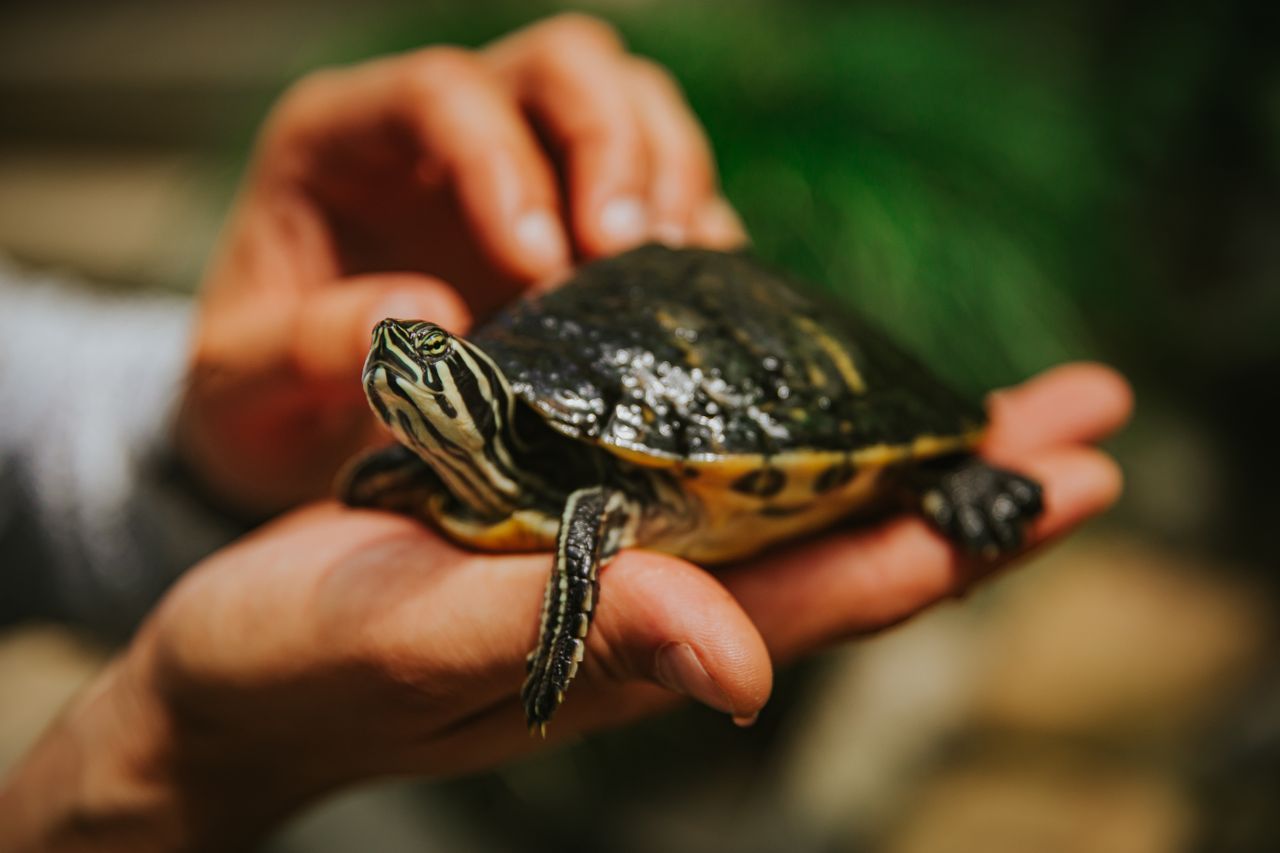
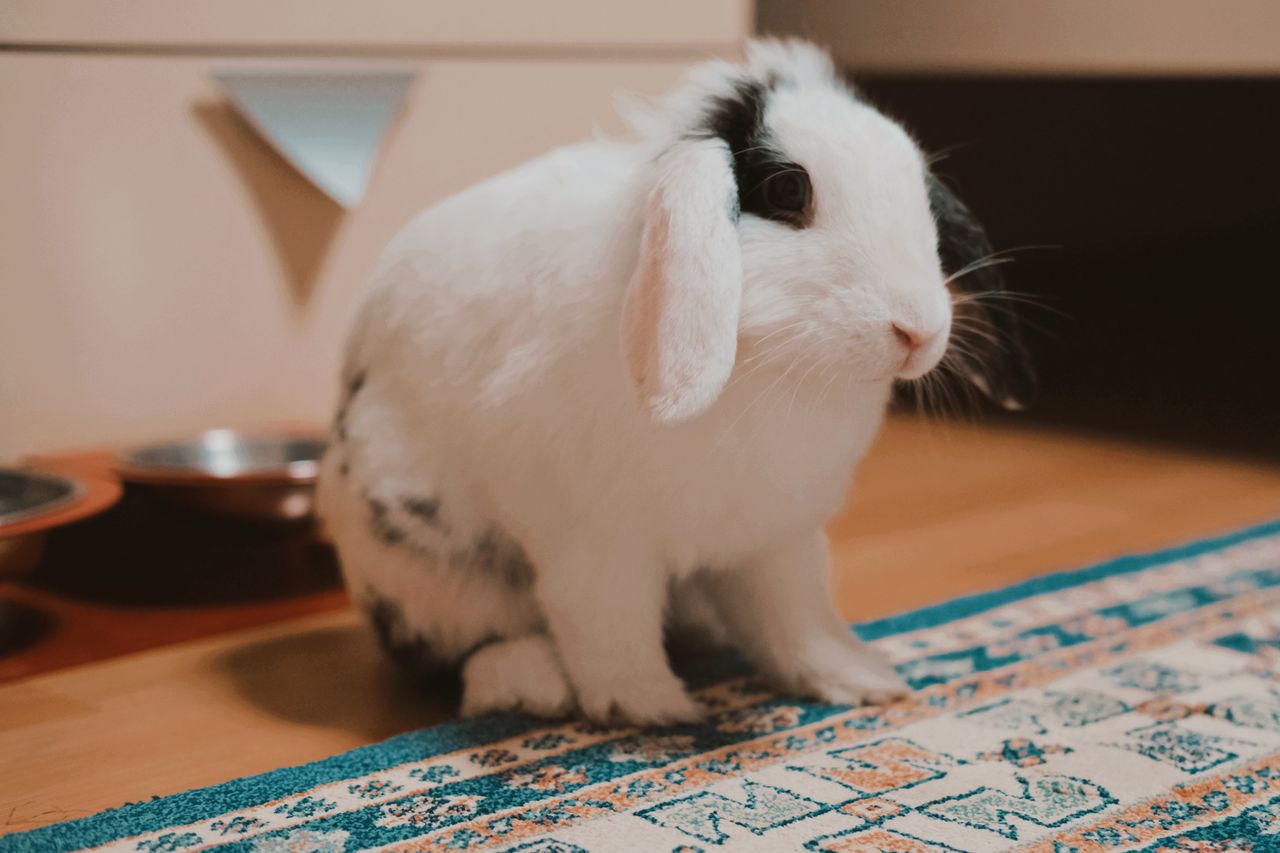
Identifying illness in exotic species can be challenging, as many birds, reptiles, and small mammals instinctively hide symptoms until they are quite ill. Owners often notice subtle changes before anything dramatic occurs. Common signs of illness in birds include fluffed feathers, reduced activity, changes in vocalization, decreased appetite, abnormal droppings, or labored breathing. Reptiles may show symptoms such as lethargy, decreased appetite, difficulty shedding, swelling, or changes in coloration. Small mammals like rabbits, guinea pigs, and ferrets might present with changes in eating or drinking habits, weight loss, discharge from the eyes or nose, abnormal posture, or diarrhea. For backyard poultry, warning signs are often reduced egg production, pale combs, abnormal droppings, sneezing, or droopy wings.
Because these symptoms can be subtle, it’s important for owners to observe their animals closely and note any deviations from normal behavior. Early detection is key to successful treatment, especially in exotic species where deterioration can happen quickly. If you’re ever unsure whether your animal’s behavior is normal, it’s always best to err on the side of caution and consult with a veterinary professional.
Understanding Causes: Why Exotic Pets Get Sick
Exotic animals can become ill for a variety of reasons, many of which are linked to their highly specialized needs. Birds are particularly sensitive to air quality, temperature fluctuations, and dietary imbalances. Poor nutrition, vitamin deficiencies, or exposure to drafts can quickly lead to respiratory diseases or feather disorders. Reptiles often suffer from improper husbandry, such as suboptimal lighting, temperature, or humidity, which can result in metabolic bone disease, skin problems, or respiratory infections. Small mammals, including rabbits, guinea pigs, and ferrets, may develop gastrointestinal stasis, dental issues, or respiratory disease if their environment or diet does not meet their species-specific requirements. Backyard poultry encounter unique challenges, including parasitic infestations, nutritional deficiencies, and infectious diseases spread through flocks.
Stress is a common underlying factor for illness in all exotic species. Even minor changes in routine, new household members, or nearby construction can disrupt your animal’s sense of safety, making them more susceptible to disease. Additionally, many exotic illnesses are zoonotic, meaning they can potentially be transmitted between animals and humans, which underscores the importance of quick intervention by a knowledgeable veterinary team.
What to Expect: How Mobile Exotic Vets Diagnose and Treat Illness at Home
When you schedule a home visit with AnimALL Mobile Veterinary Service, the goal is to provide comprehensive, species-appropriate care in the comfort and safety of your own environment. Our veterinary professionals arrive equipped with the tools necessary for physical examinations, diagnostic testing, and immediate treatment options tailored to your animal’s needs.
The In-Home Exam Process
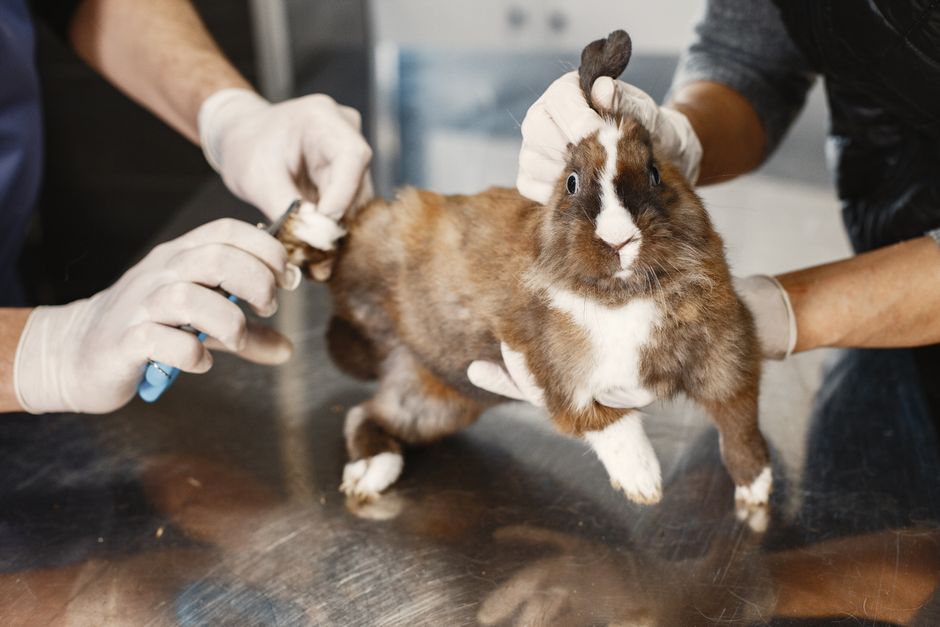
A typical visit begins with a thorough discussion about your animal’s history, recent behavior, diet, and environment. Next, the veterinarian conducts a hands-on physical exam, observing everything from posture to breathing patterns and checking for external signs of injury or illness. For birds, this might involve gently examining feathers, eyes, beak, and vent area, while reptiles are assessed for skin quality, hydration status, and shell or scale health. Small mammals undergo careful palpation, dental checks, and weight assessment.
Diagnostics at Your Doorstep
Advanced diagnostic tools are available during home visits, including portable laboratory equipment for blood work, fecal analysis, or cytology. This allows our team to collect samples and often provide rapid results without the need for a stressful clinic transfer. For more complex cases, samples may be sent to a specialized laboratory, with results communicated promptly to owners. Explore more about our mobile diagnostic laboratory services designed specifically for exotic animals.
Species-Specific Treatment Options
Treatment approaches depend on the diagnosis and species involved. For example, birds with respiratory disease may receive nebulized medications or injectable antibiotics, while reptiles suffering from dehydration or nutritional issues might require fluid therapy and dietary adjustments. Small mammals may need supportive care for gastrointestinal stasis, including fluids, nutritional supplementation, or medications to stimulate gut motility. Backyard poultry might benefit from targeted parasite control, nutritional support, or wound management, all administered on-site.
For cases that require ongoing management, such as chronic illness or injury recovery, your mobile veterinarian will develop a tailored care plan and provide guidance on follow-up visits or telemedicine consultations. Support is also available for end-of-life care, ensuring comfort and dignity for your animal in familiar surroundings.
If you are seeking urgent help for a specific species, AnimALL Mobile Veterinary Service offers dedicated illness and injury care for a variety of exotics. For example, our avian illness and injury care ensures sick birds receive prompt, gentle treatment at home, while our illness and injury care for rabbits focuses on the special needs of small mammals.
Prevention and Home Care for Exotic Animals
Prevention is the cornerstone of exotic animal health. The best way to avoid illness is to maintain optimal husbandry, provide a balanced diet, and minimize sources of stress in your home. For birds, this means offering a varied diet, regular cage cleaning, and environmental enrichment such as toys and social interaction. Reptiles thrive when their lighting, temperature, humidity, and enclosure size match their natural habitat. Small mammals require species-specific diets, regular exercise, and appropriate bedding. Backyard poultry benefit from secure, clean coops, balanced feed, and regular parasite checks.
Regular wellness examinations are vital, even for animals that appear healthy. These visits allow your veterinarian to catch subtle health changes before they develop into serious problems and to provide personalized recommendations for nutrition, husbandry, and parasite control. Owners are encouraged to monitor weight, appetite, and activity level, and to keep records of any changes in behavior. If you’re unsure about the best care practices for your animal, AnimALL Mobile Veterinary Service offers husbandry counseling to help you create a safe, enriching environment at home.
When to Seek Professional Veterinary Care
Knowing when to call for veterinary help can make all the difference in your animal’s outcome. Immediate veterinary attention is warranted if your bird is having difficulty breathing, sitting at the bottom of the cage, or showing signs of bleeding. Reptiles in distress, such as those with swollen limbs, open wounds, or severe lethargy, also require prompt intervention. Small mammals displaying signs like not eating or drinking for more than 12 hours, labored breathing, severe diarrhea, or sudden collapse need urgent care. For poultry, sudden deaths in the flock, rapid weight loss, or severe respiratory signs should prompt a call to your veterinary team.
If you observe any of these signs or are simply concerned about your animal’s health, do not wait; contact a veterinary professional experienced in exotic species. Mobile care is especially beneficial when transporting your animal may worsen their condition or increase stress. Telemedicine consultations are also available for urgent questions or to determine if a home visit is necessary. You can learn more about our telemedicine services for exotic pets in North Metro Atlanta when in-person care is not immediately possible.
The Unique Benefits of Mobile Exotic Veterinary Care
Choosing a mobile exotic veterinarian means your animal receives medical attention in a familiar environment, which reduces stress and allows the veterinarian to observe husbandry and environmental factors firsthand. This approach is particularly valuable for species that are sensitive to transport or for situations where multiple animals require care at the same time, such as backyard poultry flocks. The mobile model also provides greater flexibility for owners in North Metro Atlanta and surrounding communities, offering convenient scheduling and minimizing disruption to your household routine.
The expertise of a mobile exotic veterinary team ensures that your bird, reptile, small mammal, or poultry receives care tailored to their unique needs. You gain peace of mind knowing that your animal’s health is being managed by professionals who understand the nuances of exotic species and the importance of species-appropriate prevention, diagnosis, and treatment.
Take the Next Step for Your Exotic Animal’s Health
When your exotic animal isn’t feeling their best, at-home veterinary care can make all the difference. AnimALL Mobile Veterinary Service is committed to providing compassionate, expert care for birds, reptiles, small mammals, and poultry throughout North Metro Atlanta. Our veterinary professionals bring high-quality diagnostics, tailored treatment, and personalized prevention strategies directly to your home, so your animal can recover where they feel safest.
If you’re searching for a mobile vet near me who truly understands exotic animals, reach out to AnimALL Mobile Veterinary Service today. Whether you need urgent illness care, ongoing wellness support, or guidance on optimal husbandry, our team is ready to help. You can learn more about our diagnosis and urgent care for exotic pets at home or species-specific in-home care.
To schedule a home visit or speak with our veterinary professionals, call (770) 766-4858 or visit our website at Animallvet.com. Your animal’s health and comfort are our top priorities—let us bring expert care right to your door.